What I’m Working On: December 2020

I got a surprising amount of crafting done this month, considering we had Christmas and the baby takes lots of attention. I have learned how to knit while holding a sleeping baby, which is a pretty good talent to have!

Forbes Sweater

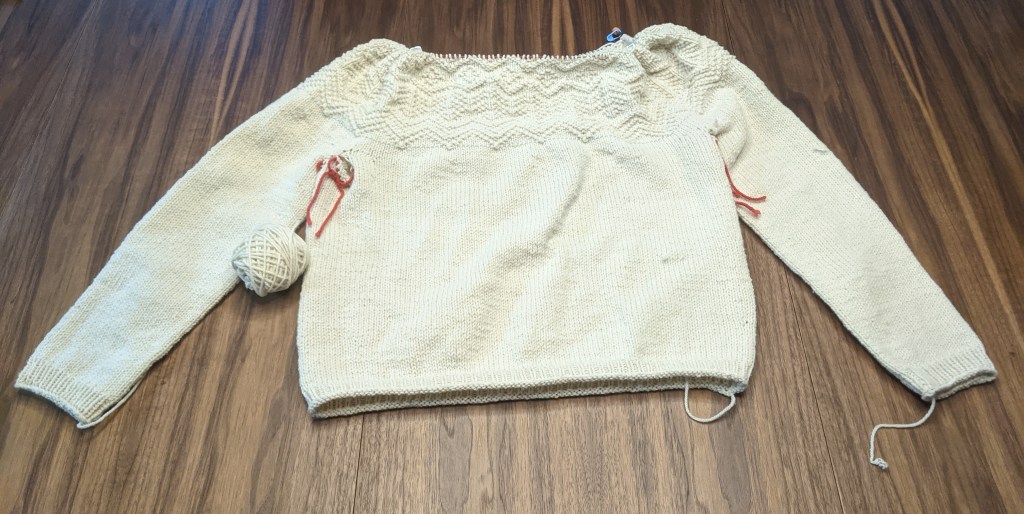
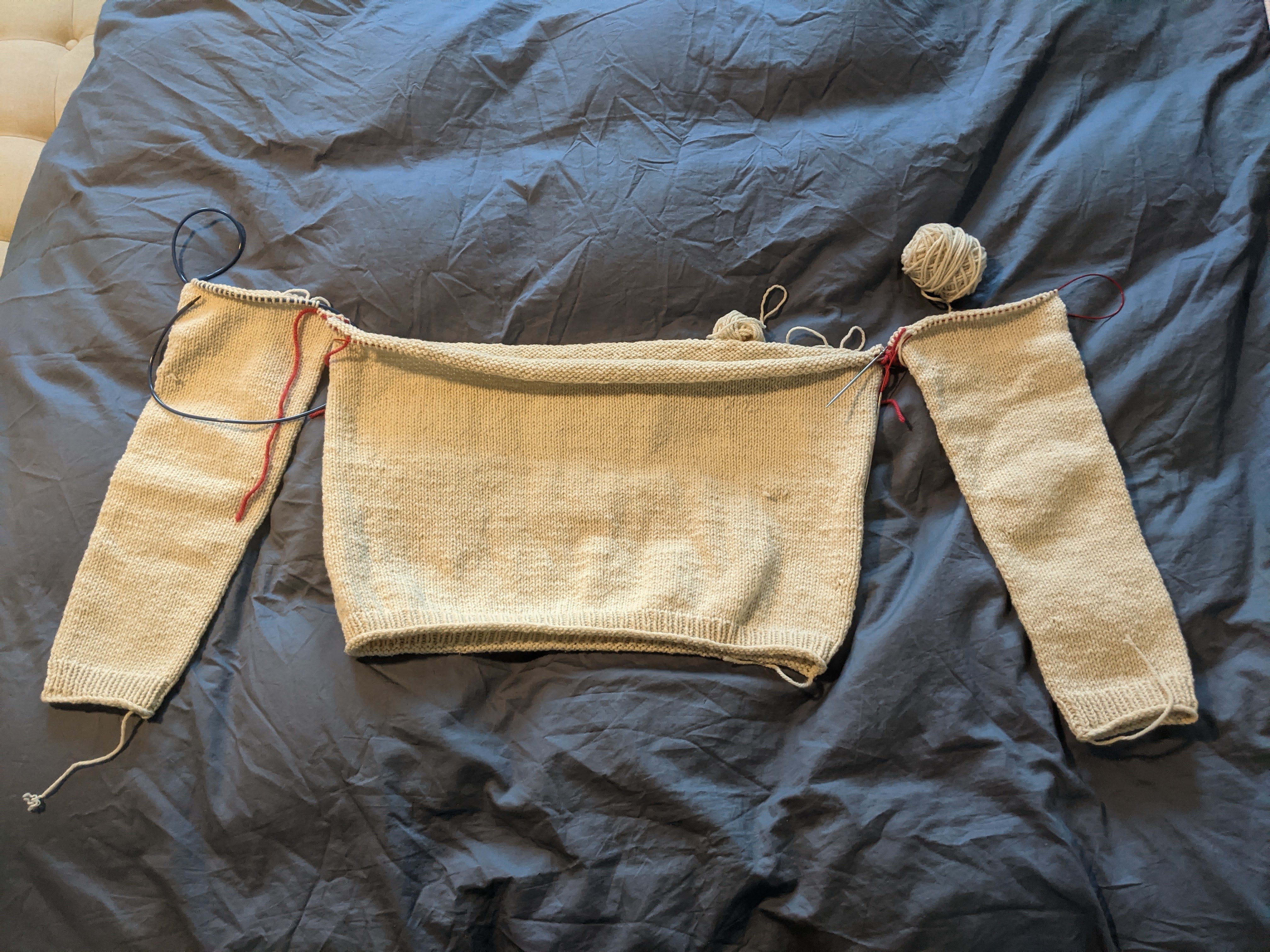
FINISHED – I finally finished this sweater! In case you haven’t followed my other monthly updates, this is the Forbes Sweater from Brooklyn Tweed, made from Ranch 02 yarn.

Baby Duck Booties

FINISHED – See my post about these booties here.

Burnaby Hat #2

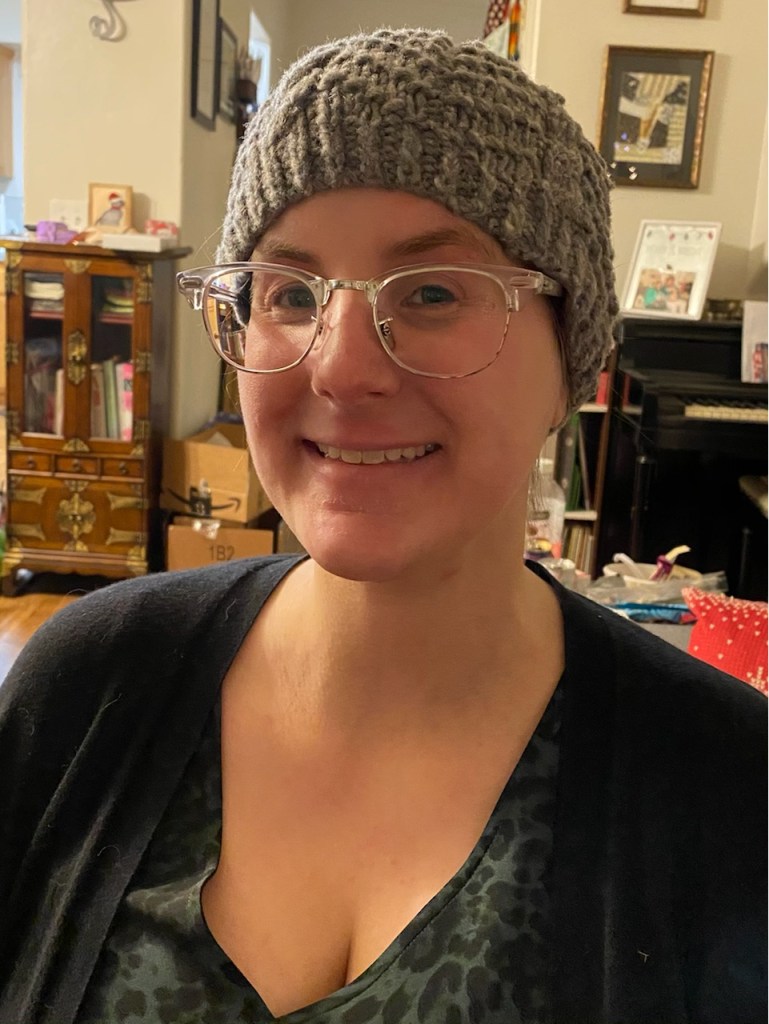
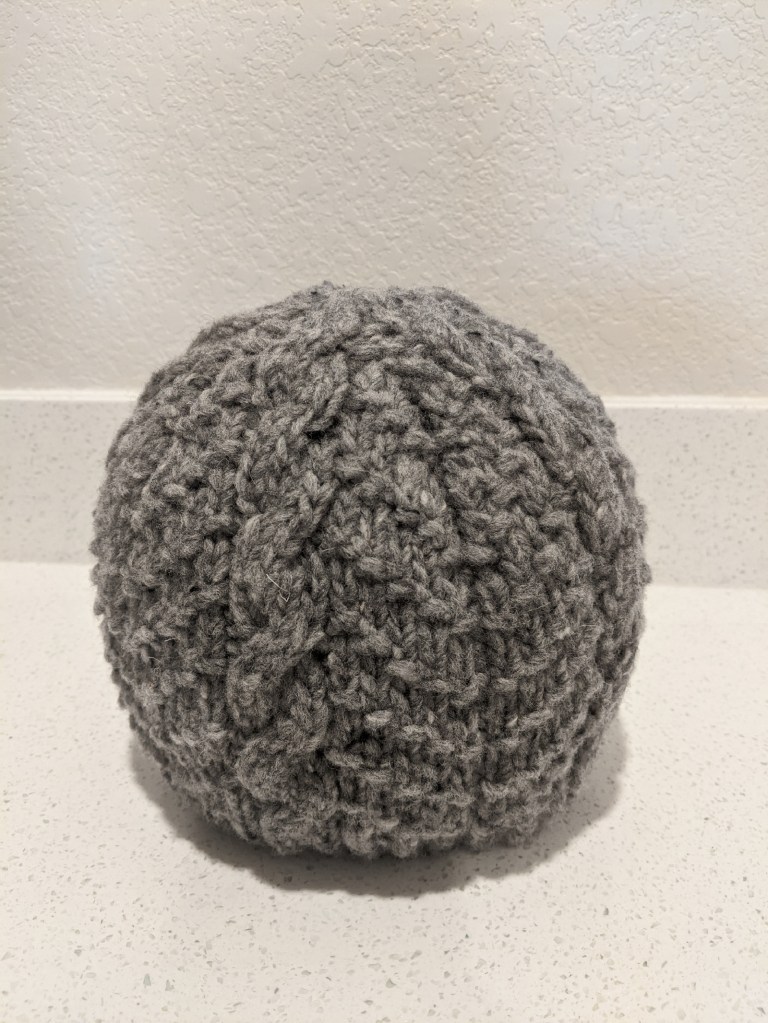
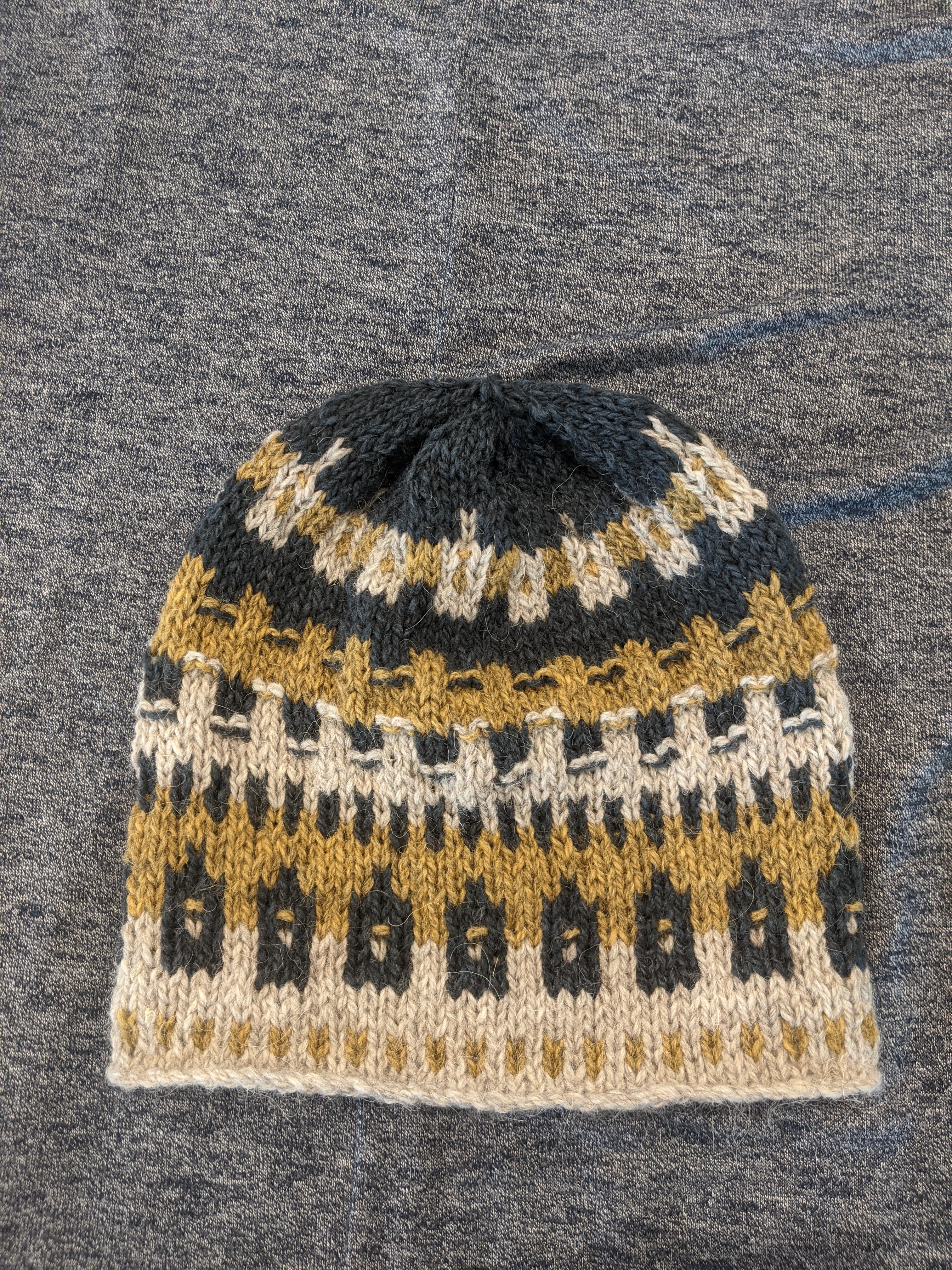
FINISHED – This is another Burnaby Hat knit in bulky weight Brooklyn Tweed Quarry, this time in the Moonstone colorway. I went up a needle size from before, to US 8 and US 10.5, because the recipient has a slightly larger diameter head than the pattern specifies. I also made the ribbing a little longer than the first time. Here’s another picture of the first one, just to show off how good it looks on my sister!

Mitten Ornament

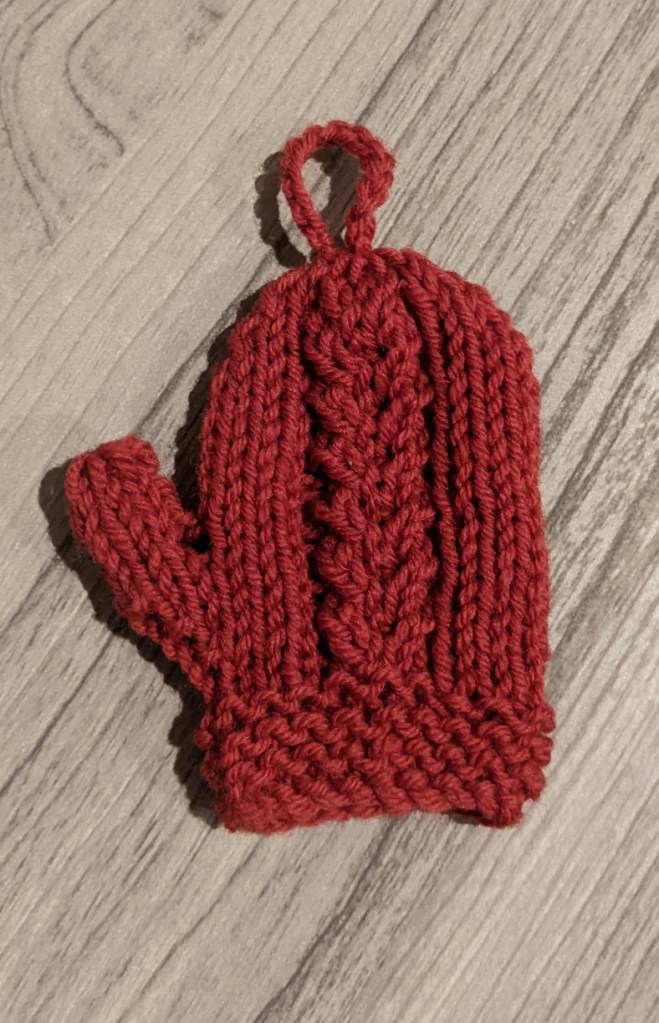
FINISHED – This is from a pattern that Brooklyn Tweed released for free this holiday season. There is no specific gauge or yarn suggestion, and the final size depends on the yarn selection. I made this out of some Quince and Co. Finch yarn (fingering weight) and size US 3 needles. It’s a fast knit that makes great use of small amounts of leftover yarn!

Quilty Love Cross Stitch

IN PROGRESS – I started this last January as part of a cross stitch along that concluded just in time for Valentine’s Day. I obviously didn’t finish in time! I’m hoping to finish by the end of January this year. I just have 1.5 red hearts and one more row of quilt motifs to go, then the finishing details of sewing on buttons and adding the ric rac borders. The pattern and thread kit are available from Fat Quarter Shop.

Rowan Felted Tweed Swatch

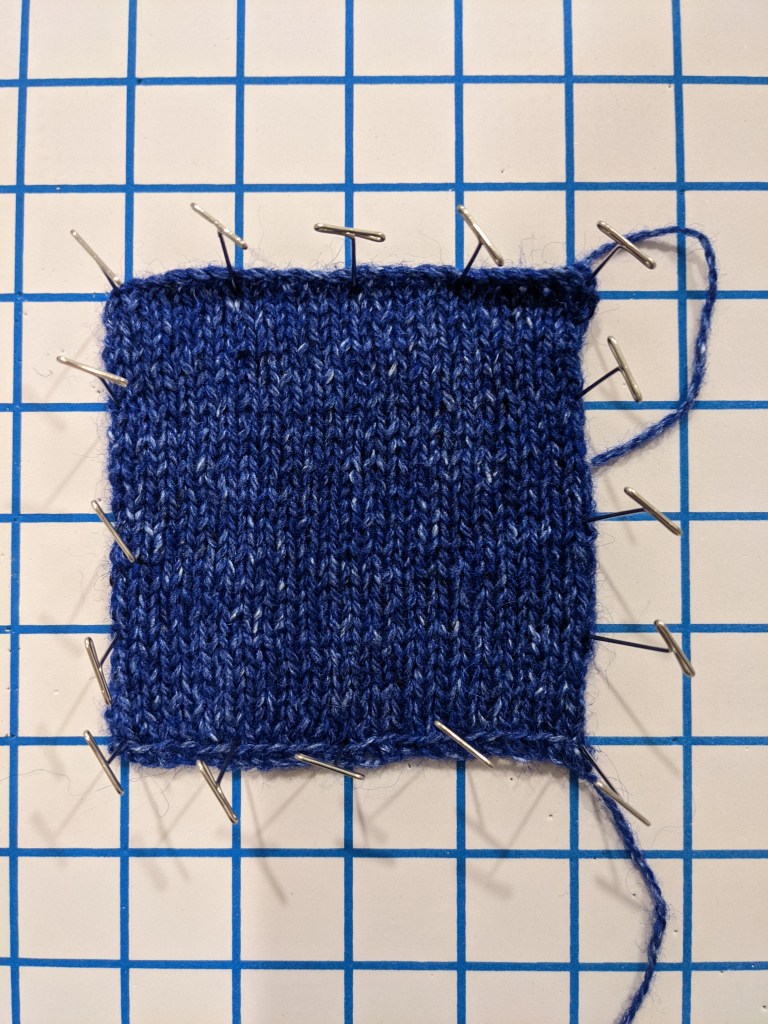
FINISHED – I quickly knitted up this swatch of Rowan Felted Tweed in preparation to make the Cityscape Scarf from Modern Daily Knitting’s Field Guide 16. For Christmas, I received a kit of all the suggested yarn colors for this scarf. This yarn is awesome and I can’t wait to get started on the beautiful scarf. The colors!!!

Galloway Hat #2

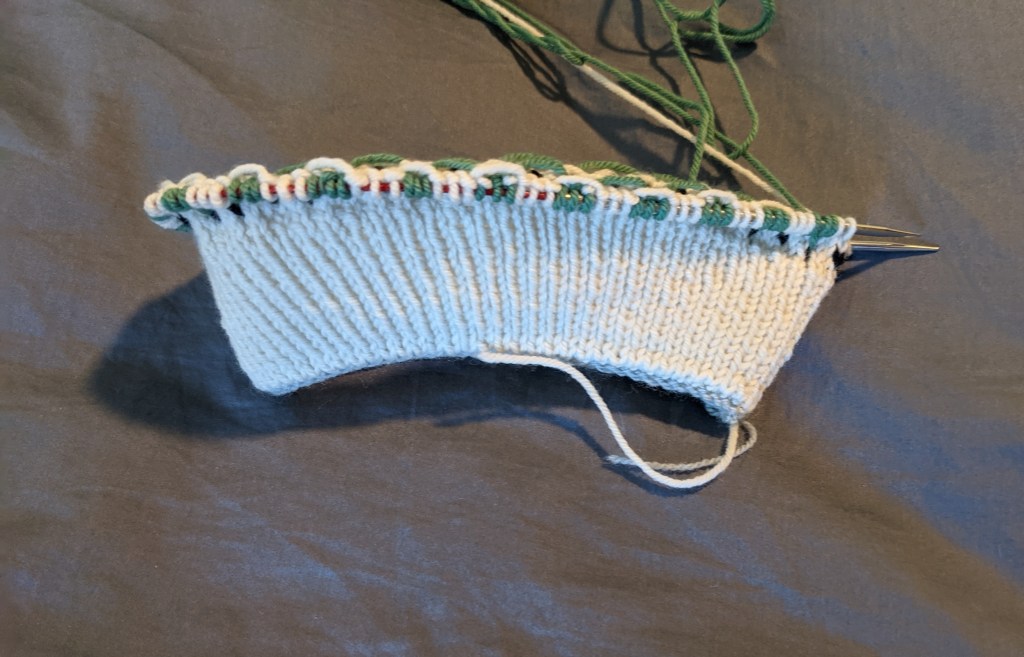
IN PROGRESS – I have plenty of Peerie yarn left from my first Galloway Hat. This one uses white as the main color, and I went down one size for each needle to make it a little bit smaller. I’ve finished the ribbing and started the first few rounds of colorwork.

Baby Duck Booties

This adorable pattern is available at Quince and Co., where you can also buy a kit containing the required yarns plus the pattern printed on card stock. I decided to go with the kit because it contains smaller quantities of yarn rather than full skeins. Earlier this fall, there was a special holiday color set in addition to the original set, so of course that is what I bought. The yarns are Chickadee sport weight in the Camel and Rook colorways and Finch fingering weight in the Winesap colorway.

Over the course of about a week, I made these booties in the smallest size (0-6 months) for my little peanut. Here are some photos of the process. (My project is on Ravelry here.)

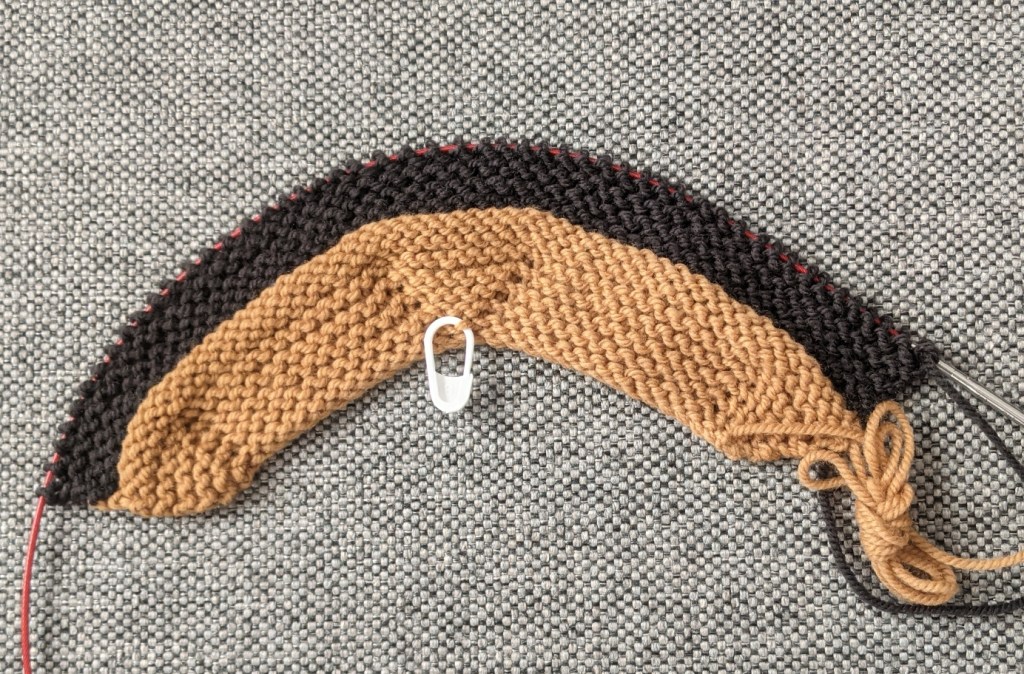
The bootie starts with the sole, worked flat in garter stitch with increases at the edges and middle, which will become the heel and toe, respectively.

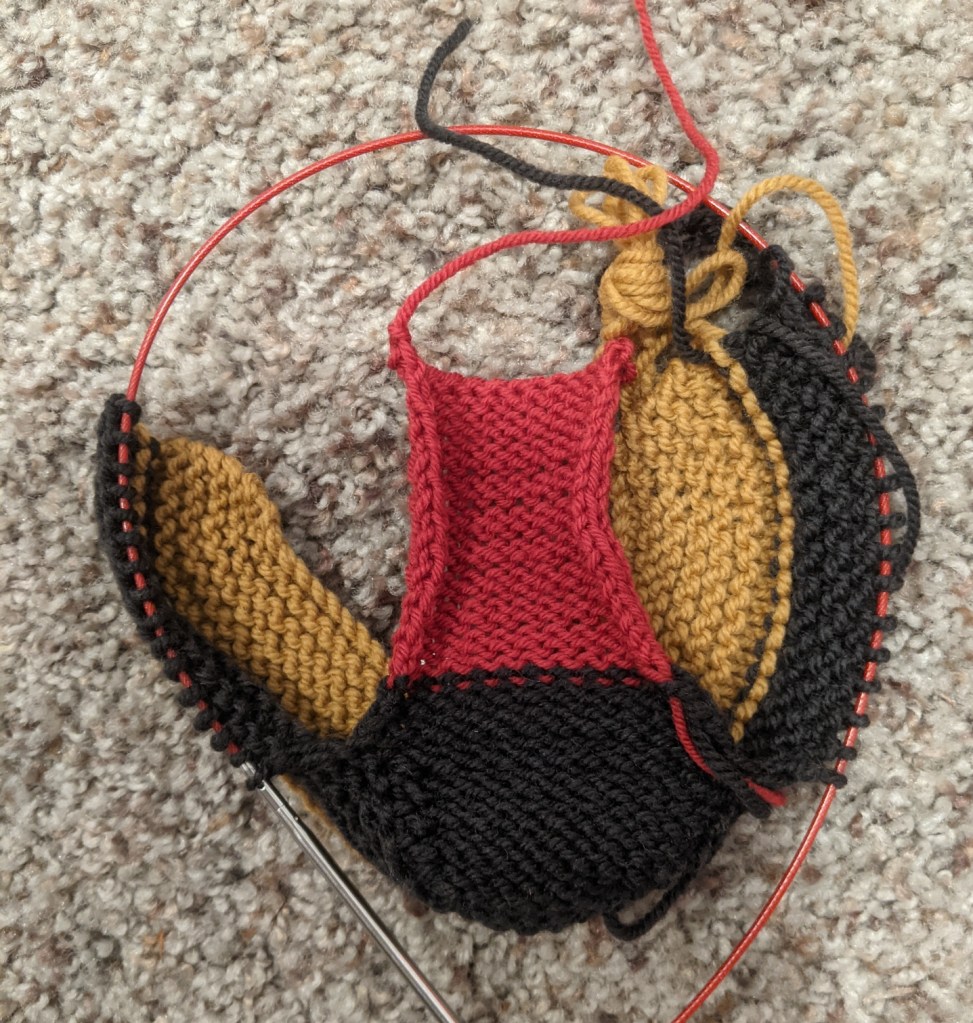
Next, the top of the toe is shaped with short rows in reverse stockinette stitch.

The tongue continues up from the toe in reverse stockinette stitch.

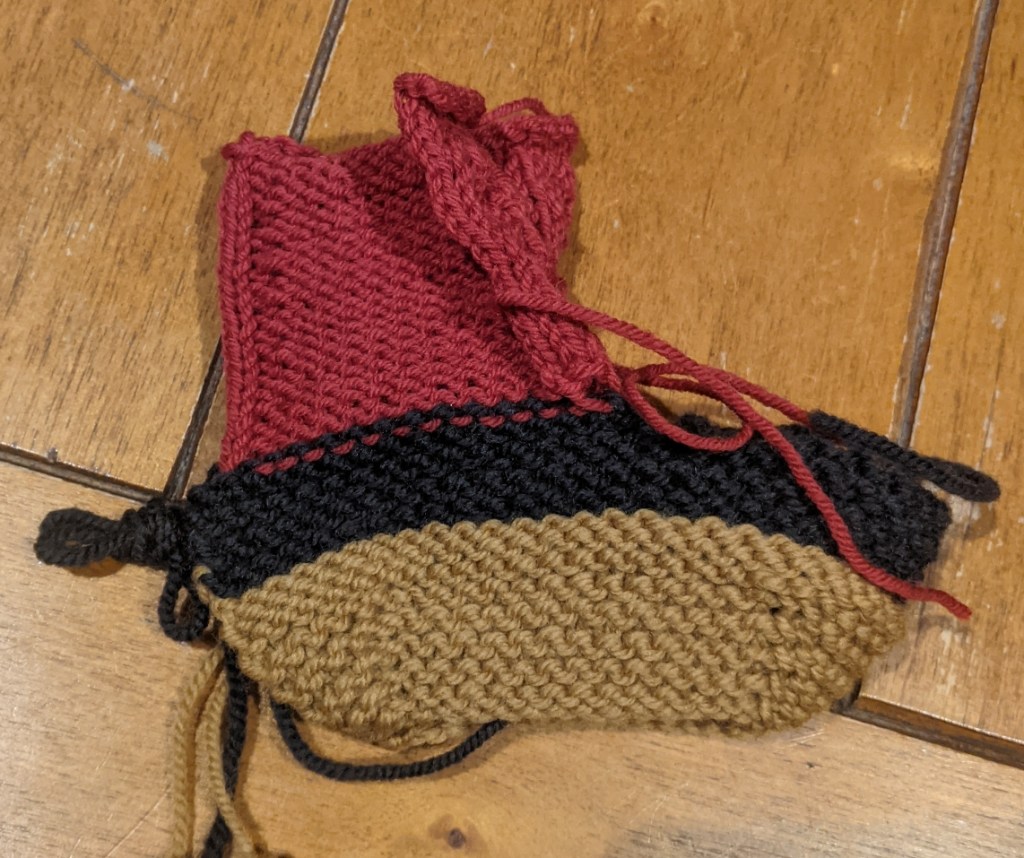
The ankle is worked flat in reverse stockinette stitch with an accent panel of stockinette at the back. It connects the two sides of the bootie so only the heel and center sole are still disconnected.

The last steps are to sew up the bottom and heel, weave in the ends, wet block, and put in the laces!

I’m excited for these to fit my little one. They are a bit big right now, but I’m sure he will grow into them in no time!

What I’m Working On: November 2020

I finished several projects this month. This was mostly because I took a week off of work before the baby was born, and spent most of that time knitting. I think it was my nesting instinct kicking into overdrive!

Easy Baby Hat

FINISHED – Last month I wrote about the Albizia Hat and Mittens from the Quince Quarterly Fall 2020 subscription box, and the modified version of the hat I made for my toddler. I still had a little bit of the wonderful Owl yarn left and wanted to find a way to use it up. I had just enough yarn to make a baby hat. Now both of my kids have hats to match mine! The pattern I improvised is below.

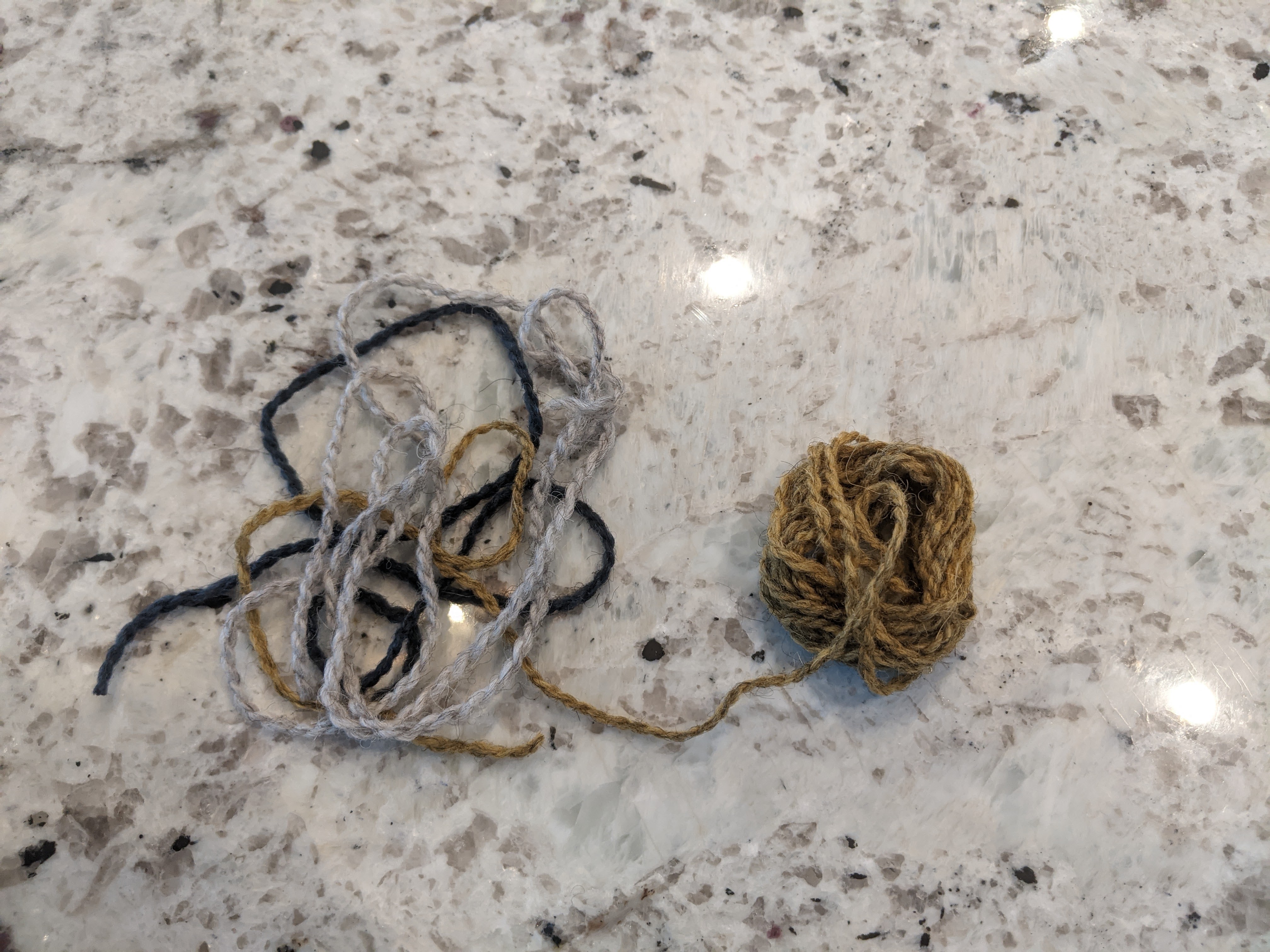
This is all that is left of my 3 skeins of Quince and Co. Owl yarn!

Baby Hat Pattern:
Gauge:  20 sts = 4 in with US 7 needles
Yarn:  Owl by Quince and Co. in Steppe (C1), Allagash (C2), and Abyssinian (C3)
Finished measurements:  About 14″ circumference, and 5″ tall
CO 70 with two-color long-tail cast on. (Here is a description of the cast on, although I only used a single needle.)
Round 1:  Knit with C1, which was on the thumb side for the cast on.
Round 2:  Knit with C2, which was on the finger side for the cast on.
Rounds 3-6:  Work K1, P1 ribbing, alternating C1 and C2 each round.
The remainder of the hat is worked in stockinette stitch (K all stitches).
Rounds 7-15:  *Knit 2 rounds with C1, Knit 1 round with C2, repeat from * 2 more times.
Rounds 16-18:  Knit 2 rounds with C1, Knit 1 round with C3.
Rounds 19-27:  *Knit 2 rounds with C1, Knit 1 round with C2, repeat from * 2 more times.
Round 28 (dec rnd):  With C1, *K3, K2tog, repeat from * (14 sts decreased, 56 sts remain)
Round 29:  With C1, knit
Round 30:  With C3, knit
Round 31 (dec rnd):  With C1, *K2, K2tog, repeat from * (14 sts decreased, 42 sts remain)
Round 32:  With C1, knit
Round 33 (dec rnd):  With C2, *K1, K2tog, repeat from * (14 sts decreased, 28 sts remain)
Round 34:  With C1, knit
Round 35 (dec rnd):  With C1, *K2tog, repeat from * (14 sts decreased, 14 sts remain)
Round 36 (dec rnd):  With C1, *K2tog, repeat from * (7 sts decreased, 7 sts remain)
Break yarn, thread through remaining 7 sts and cinch closed, weave in ends.

Galloway Hat

Galloway Hat, blocking on a balloon

FINISHED – I swatched twice for this! I had to go up a needle size from the pattern recommendation to make gauge. I love the pattern…it is a beautiful 4-color stranded colorwork hat in fingering yarn (Brooklyn Tweed Peerie). I suspect I will be making more than one of these, especially because there is plenty of yarn left!

Forbes Sweater

IN PROGRESS – I’m nearing the finish line on this pullover! Since last month, I joined the sleeves to the body and started working the circular yoke. I’m 70% done with the yoke pattern, which uses simple combinations of knit and purl stitches to create a textured design.

Burnaby Hat

FINISHED – This is a quick knit using chunky Brooklyn Tweed Quarry yarn. The pattern includes instructions for both chunky yarn and DK yarn, so it’s a nice one to have in my library.

Urtia Hat

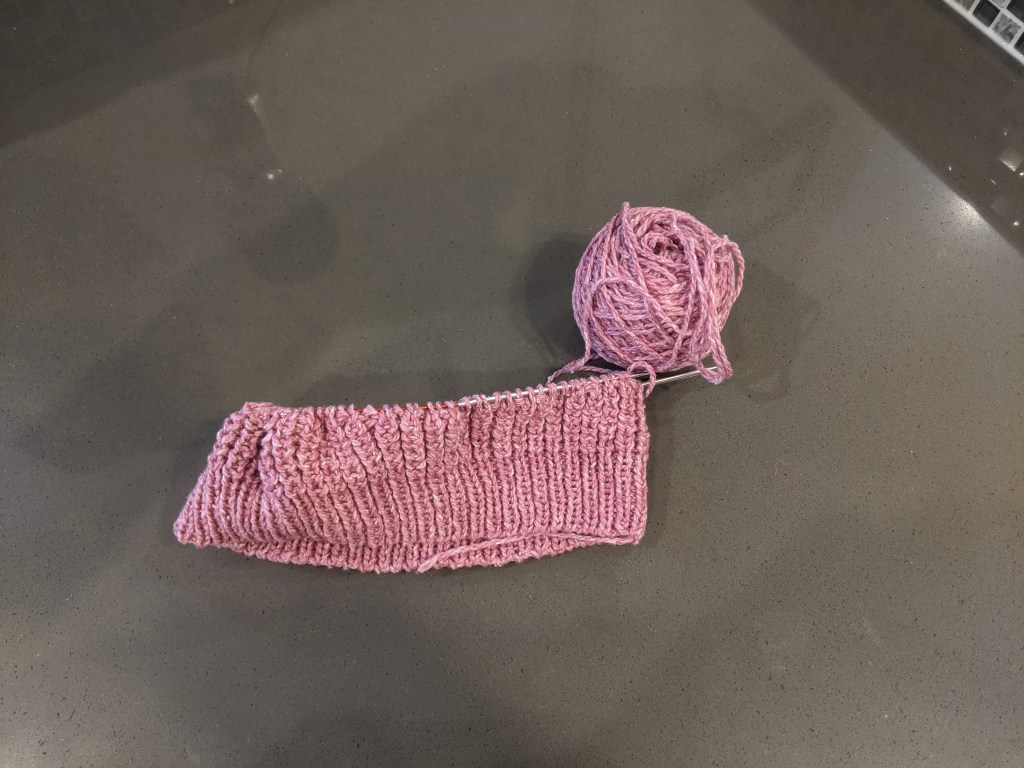
IN PROGRESS – I already made one of these, but it ended up too big, likely since I didn’t do a real gauge swatch. I started over with smaller needles and so far it seems like a better fit. The pattern uses a simple half brioche rib stitch to make a cozy fabric. I’m using Brooklyn Tweed’s Dapple yarn, a blend of cotton and wool that they released this summer.

Baby Sweater

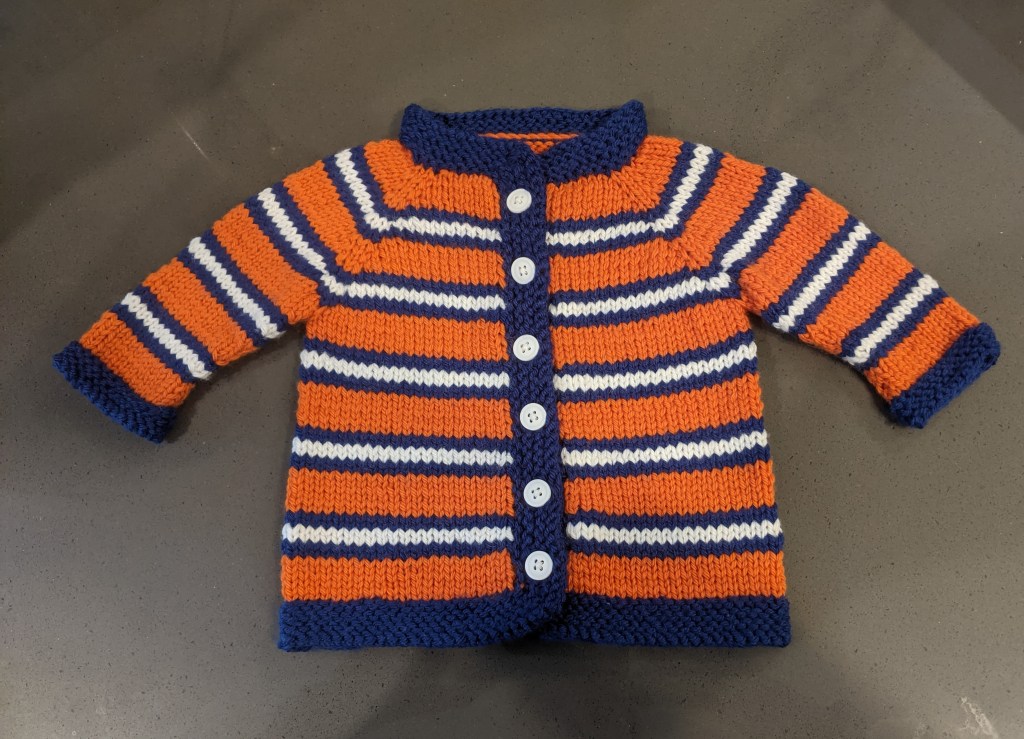
FINISHED – This is another item that I made pretty quickly. I started it 2 days before the baby was born and even worked on it a little bit in the hospital! It is worked top down with raglan sleeve shaping and a garter stitch border worked in the round. It is based on this pattern, with significant modifications.

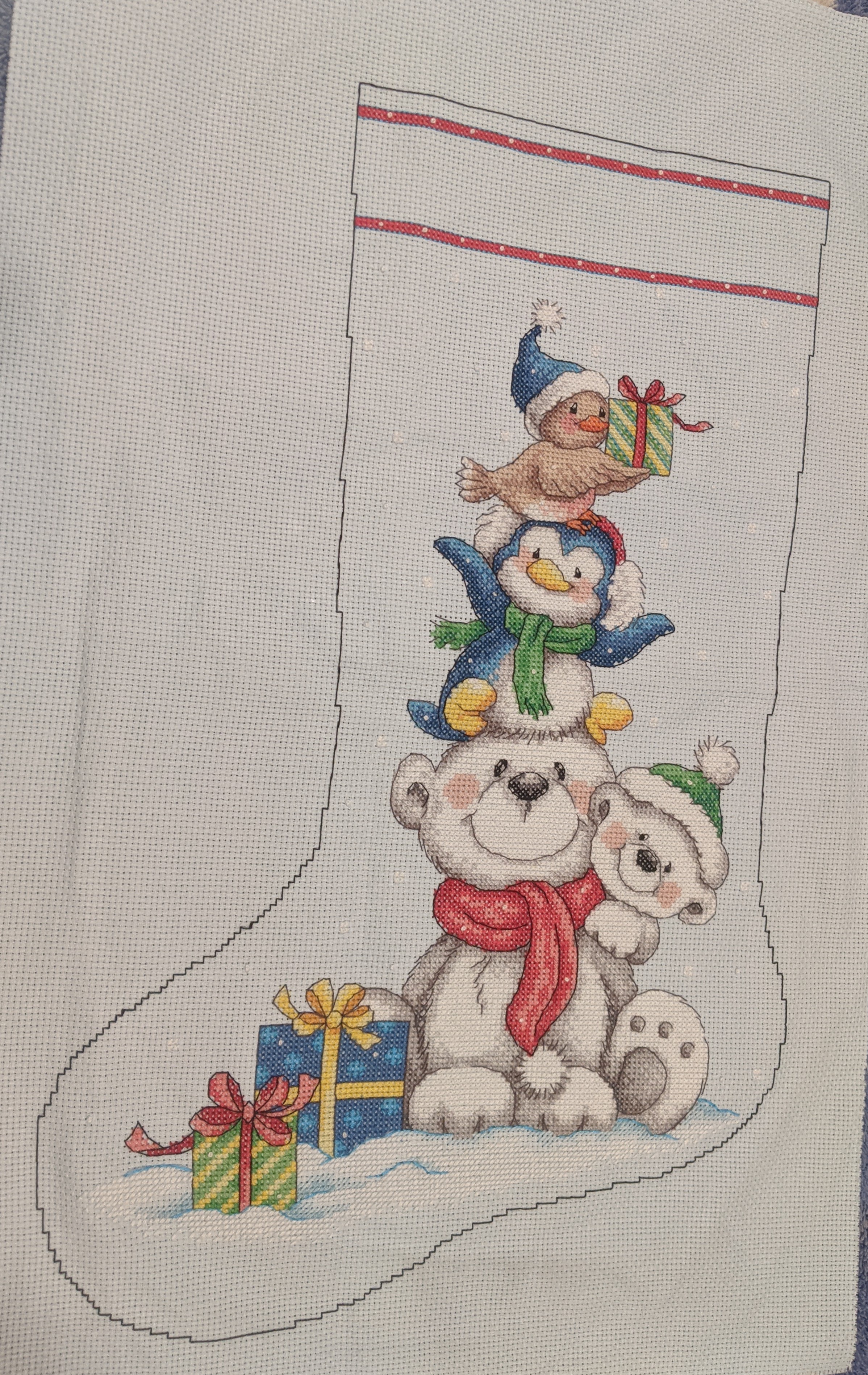
Christmas Stocking

FINISHED – I stitched the name and did the finishing sewing during nap times. I’m so glad I got this done just in time to decorate for Christmas! (Note: I prefer to keep my kids anonymous online, so that’s why the name is blurred.)

Reading Materials

I read two books related to knitting: A Stash of One’s Own by Clara Parkes, and The Knit Vibe by Vickie Howell. I’ve also been keeping up with Modern Daily Knitting, and ordered myself a few gifts from their store!

Neckwear Made From Brooklyn Tweed Vale

Today I want to highlight some neckwear accessories that I’ve made over the past few years. They are all made from the same yarn, Brooklyn Tweed Vale, and all the patterns are from Brooklyn Tweed as well. If you haven’t tried any of their patterns, I highly recommend them. They are all high quality and include details on all required techniques (cast on, blocking, stitch patterns, etc.).

The Yarn

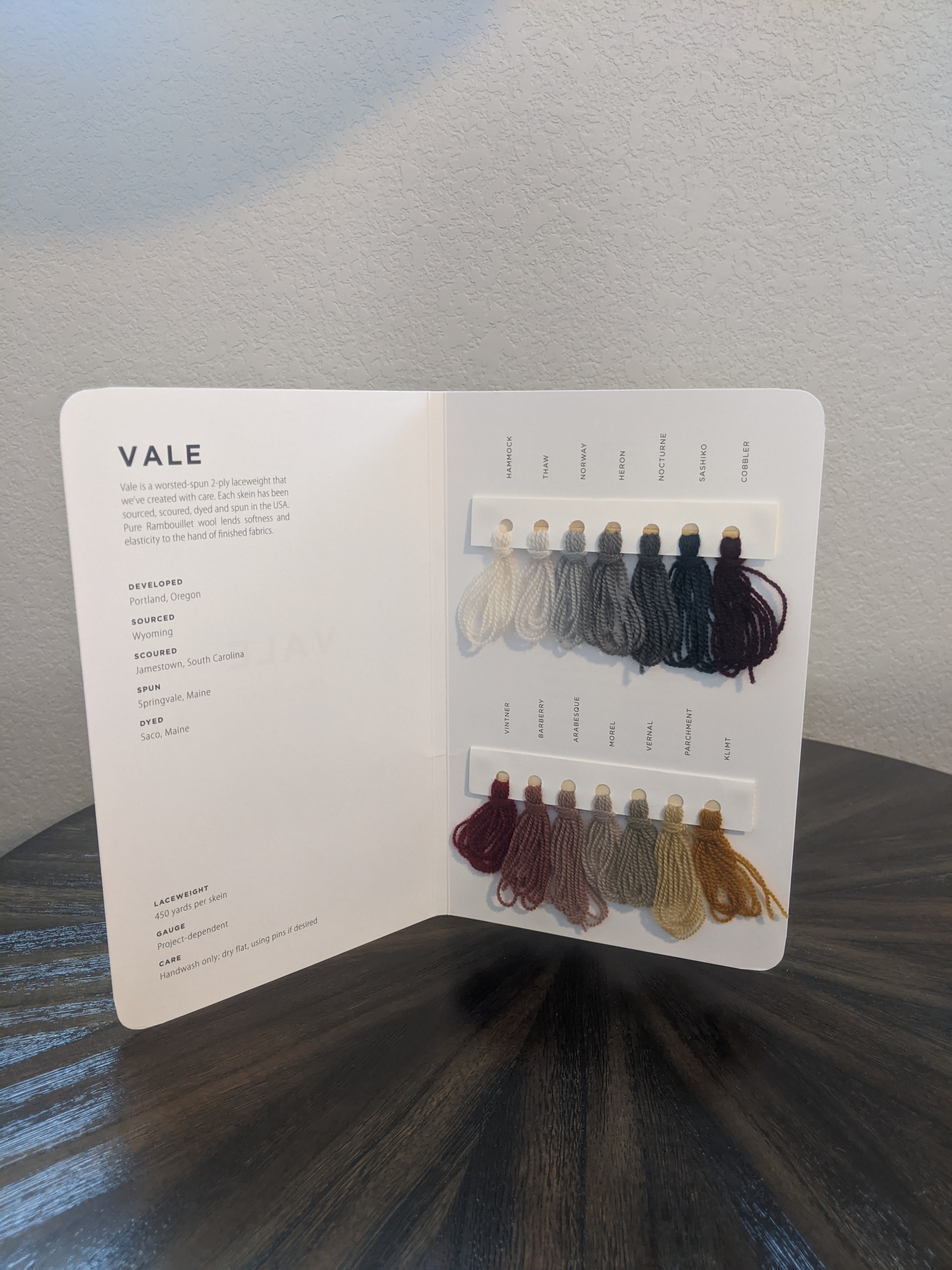
My Vale shade card

Brooklyn Tweed Vale is a laceweight Rambouillet wool that premiered in 2017. When it was released, I immediately ordered a shade card to see what it was like. The yarn is soft and springy, and comes in several colors ranging from bold to pastel to neutral. As a laceweight yarn, the look really changes depending on the gauge of the project it is used in. I’ve completed three projects with Vale so far.

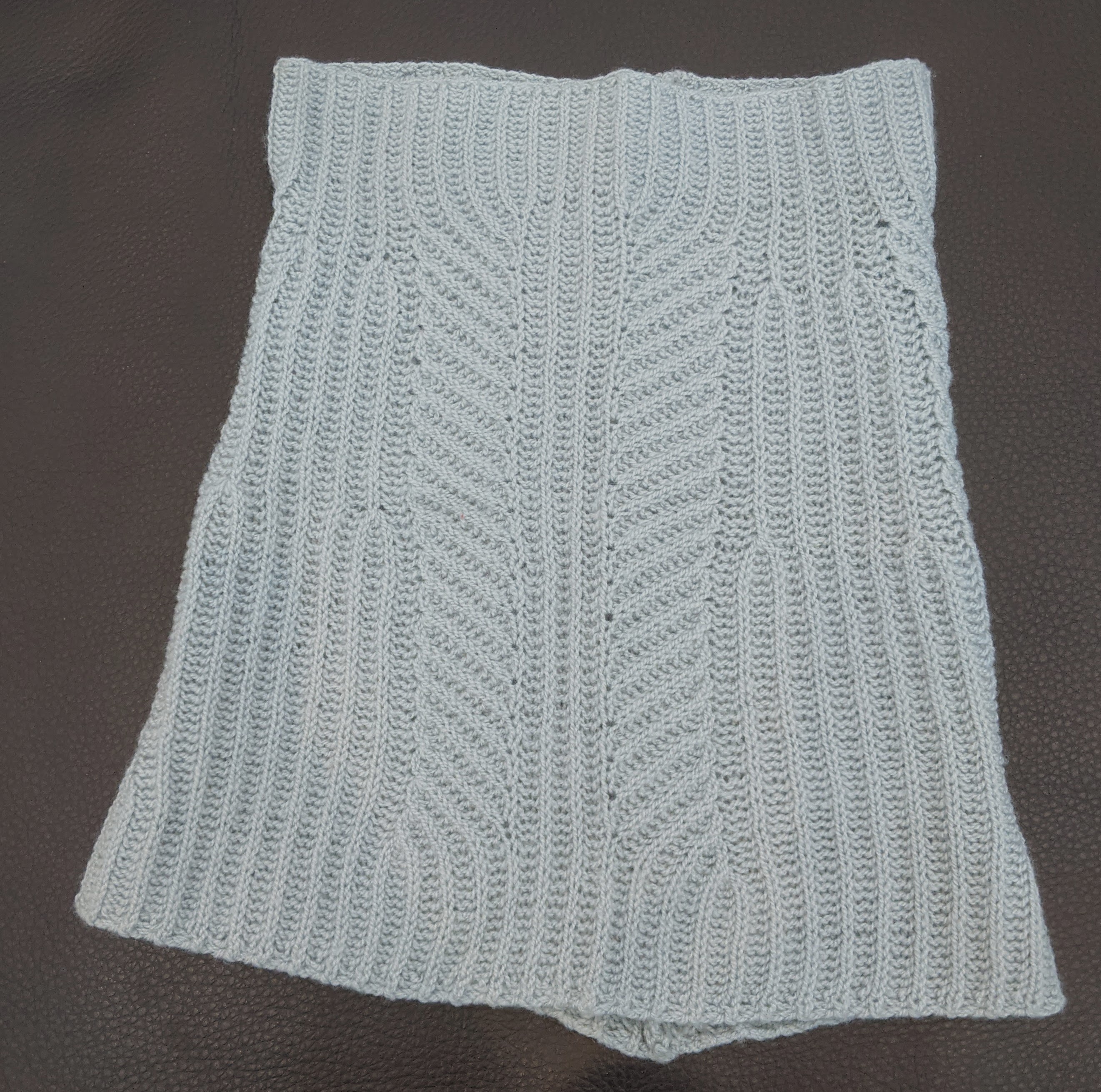
Gully Cowl

Gully cowl

I made Gully (pattern) in the summer of 2017, right after I received the shade card and decided I must knit with this yarn. This lightweight cowl took one skein of Vale in colorway Norway. This was the first time I had tried brioche knitting, which uses yarn overs and slipped stitches to create a squishy fabric. It is an interesting technique to use with laceweight yarn, resulting in a cozy but very lightweight feel. This cowl is knit flat, starting from the bottom, and gradually tapers to a narrower opening at the top. It is seamed together after blocking to create a tube. Unlike a lot of cowl designs, this one fits very closely to the neck. Mine ended up almost too tight, so if I make this pattern again I will swatch carefully and consider going up a needle size (I used the recommended US4 this time).

Brora Shawl

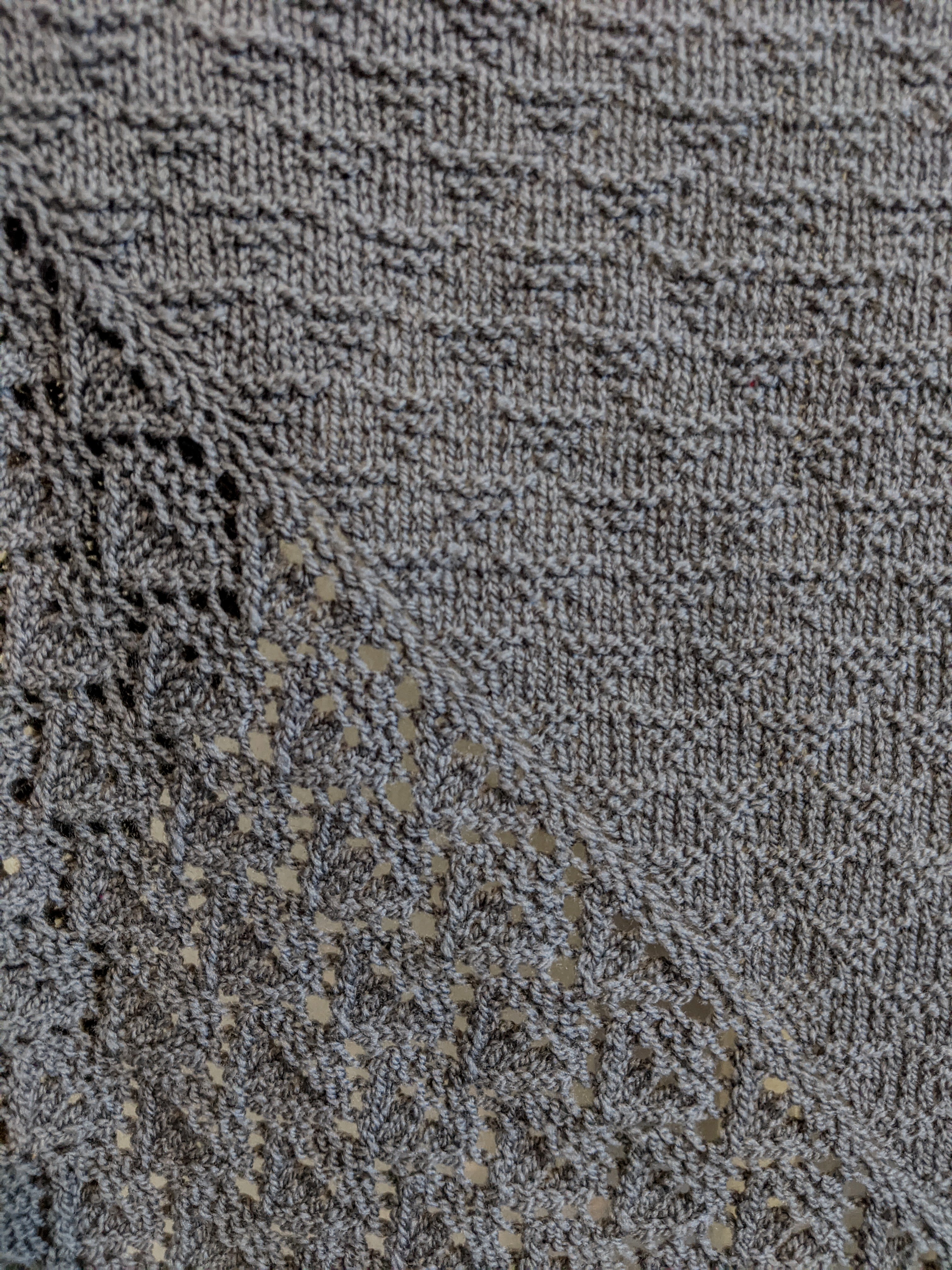
Brora shawl

I made the Brora Shawl (pattern) in 2017 and early 2018, using two skeins of Vale in colorway Heron and US3 needles. This triangular shawl was a delight to knit and I wear it frequently. The center triangle is knit first, starting at the center point, then the edges of this triangle are picked up and the outer lace motif is worked out toward the edges. The center triangle has a subtle garter triangle pattern, and the lace section includes both garter stitch and eyelets. I like that this shawl is light enough that it could go with a summer dress to lessen the chill of the evening, or it could be a layer underneath a warmer coat in the colder seasons.

Close-up view of the two Brora sections

Prism Cowl

Prism cowl

I started the Prism Cowl (pattern) in mid-2018, and didn’t finish it until mid-2020! This was during the height of my knitting rut so I really was not working on it for most of this time. I finally picked it back up and finished it once I started working from home due to the coronavirus in March 2020. Anyway, this cowl used two skeins of Vale in colorway Thaw and a US6 needle. It is knit flat and grafted together after blocking. The pattern is a satisfying combination of garter stitch and geometric lace. It was interesting to knit but also fairly easy to memorize each row. It can be styled as a long cowl or wrapped double for extra coziness.

What’s Next?

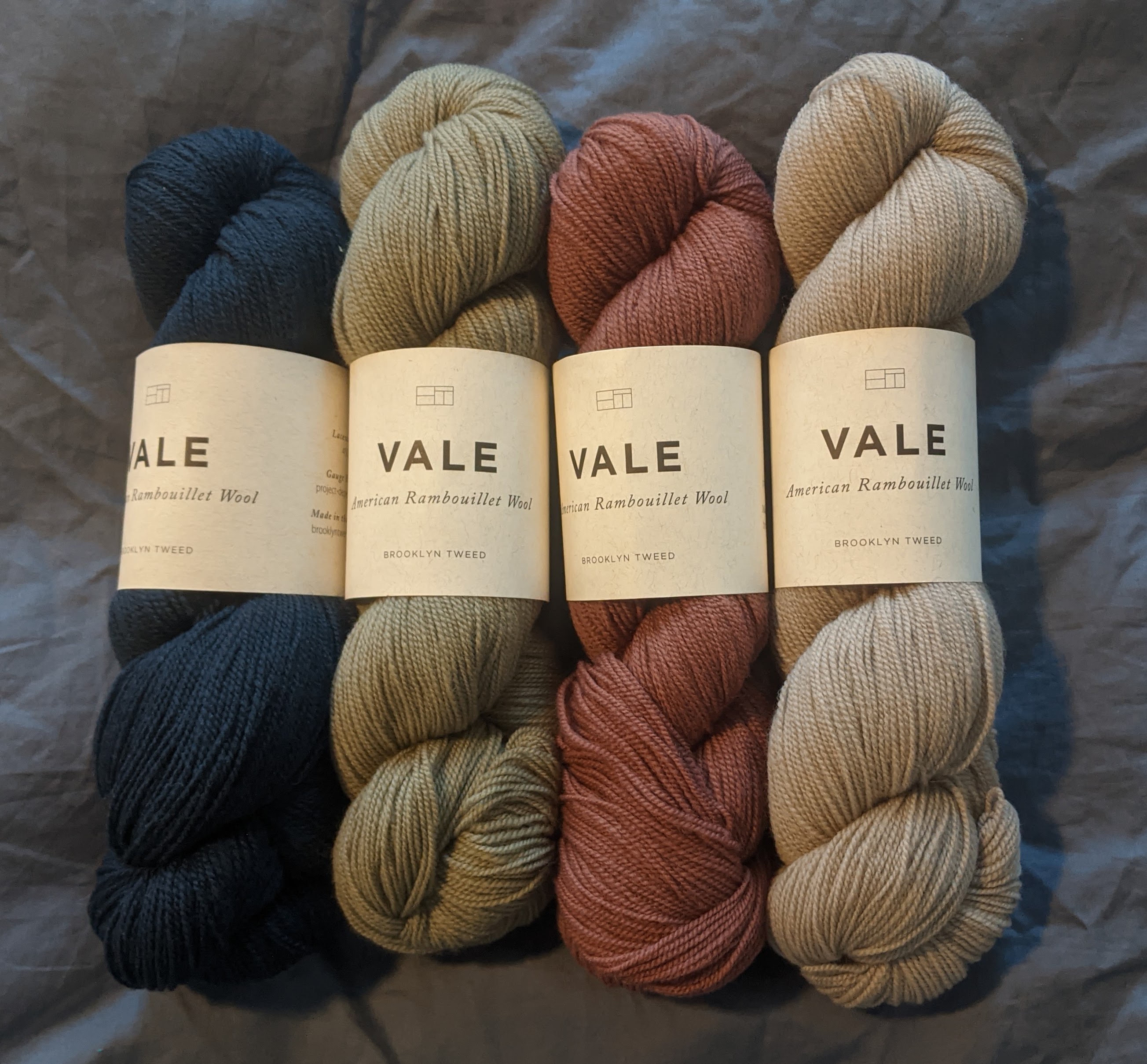
Vale yarn in Sashiko, Vernal, Barberry, and Morel (L-R)

I went a little crazy on ordering Vale yarn back in 2017, so I have a few skeins left – one each of colorways Sashiko, Vernal, Barberry, and Morel. Maybe I’ll make some more Gully Cowls as gifts, or track down some other one-skein patterns. These colors could also work nicely together if I find a nice large, multicolor project. It will be a treat to use this wonderful yarn again!

What I’m Working On: October 2020

Cross-stitch Christmas Stocking

IN PROGRESS – This is as done as it can be until the baby comes! By mid-October, I had finished everything except stitching the name and the final construction. It didn’t take as long as I expected – only about 3 months. It required really buckling down and focusing on it, though!

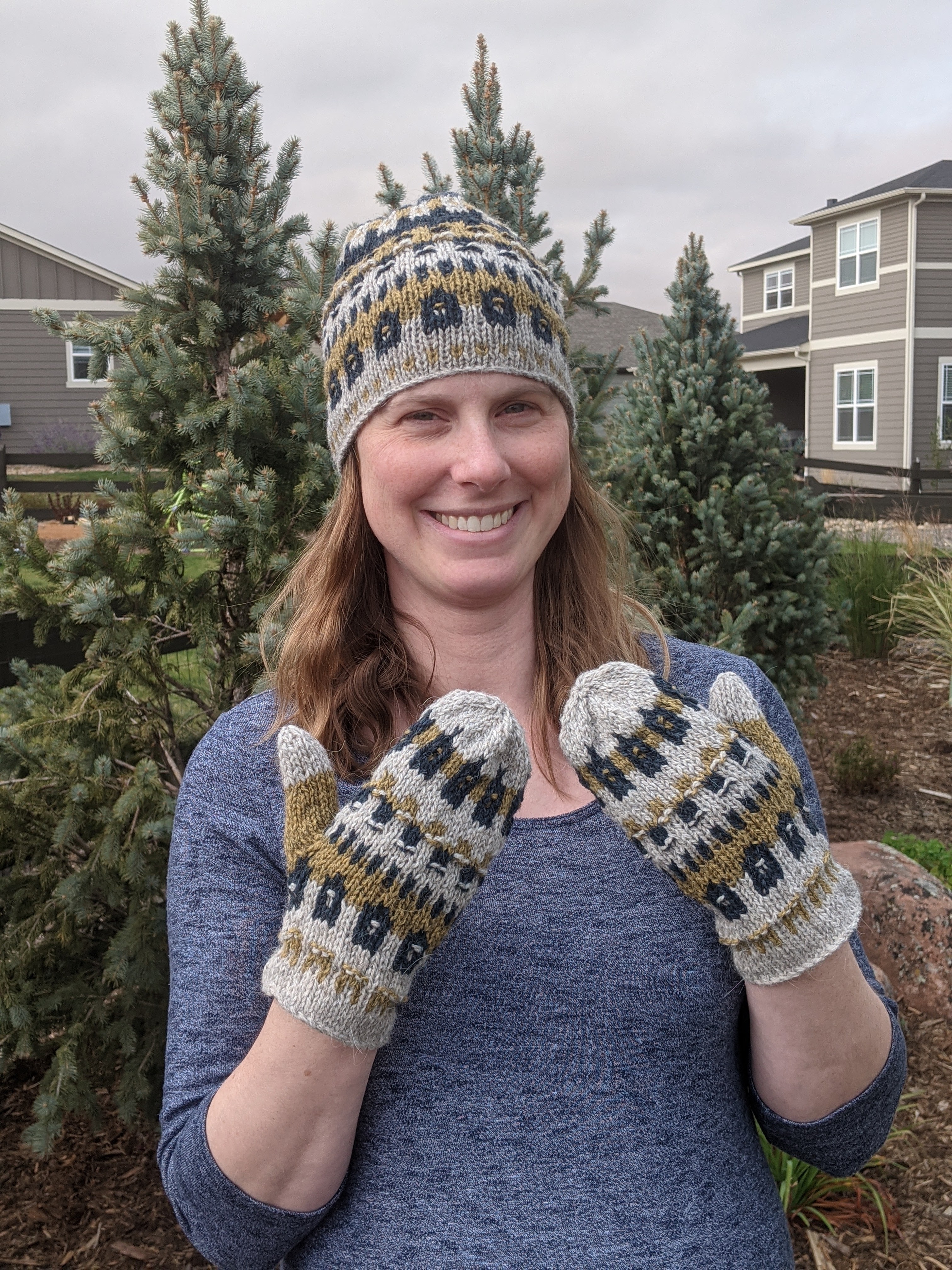
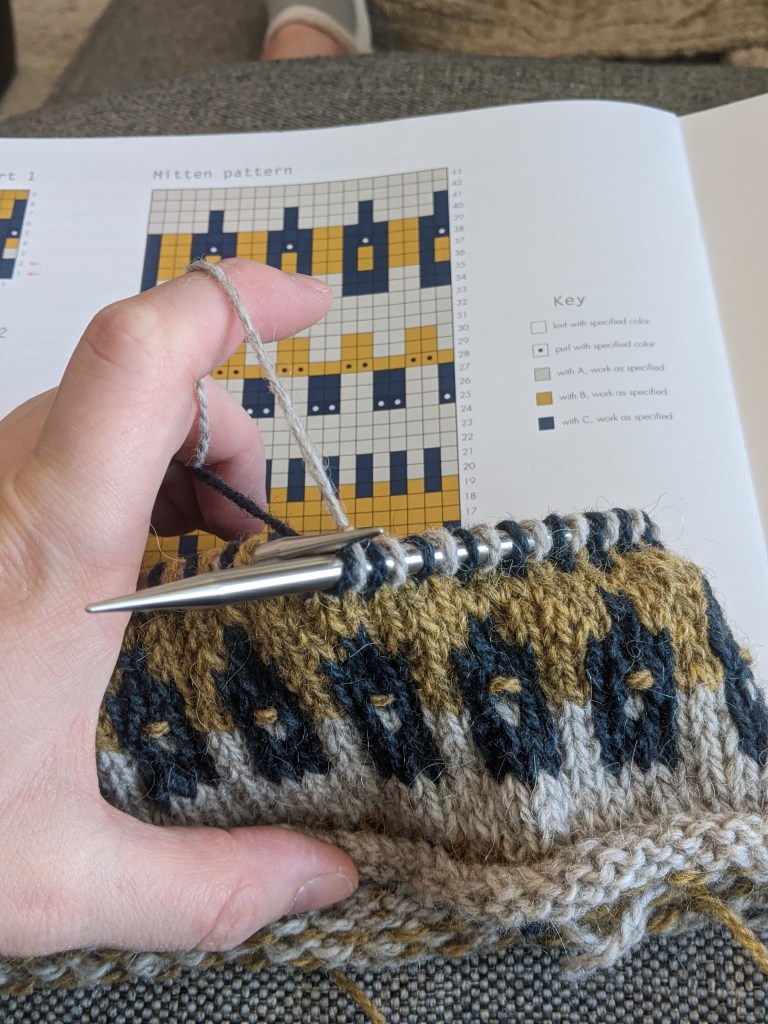
Albizia Hat and Mittens

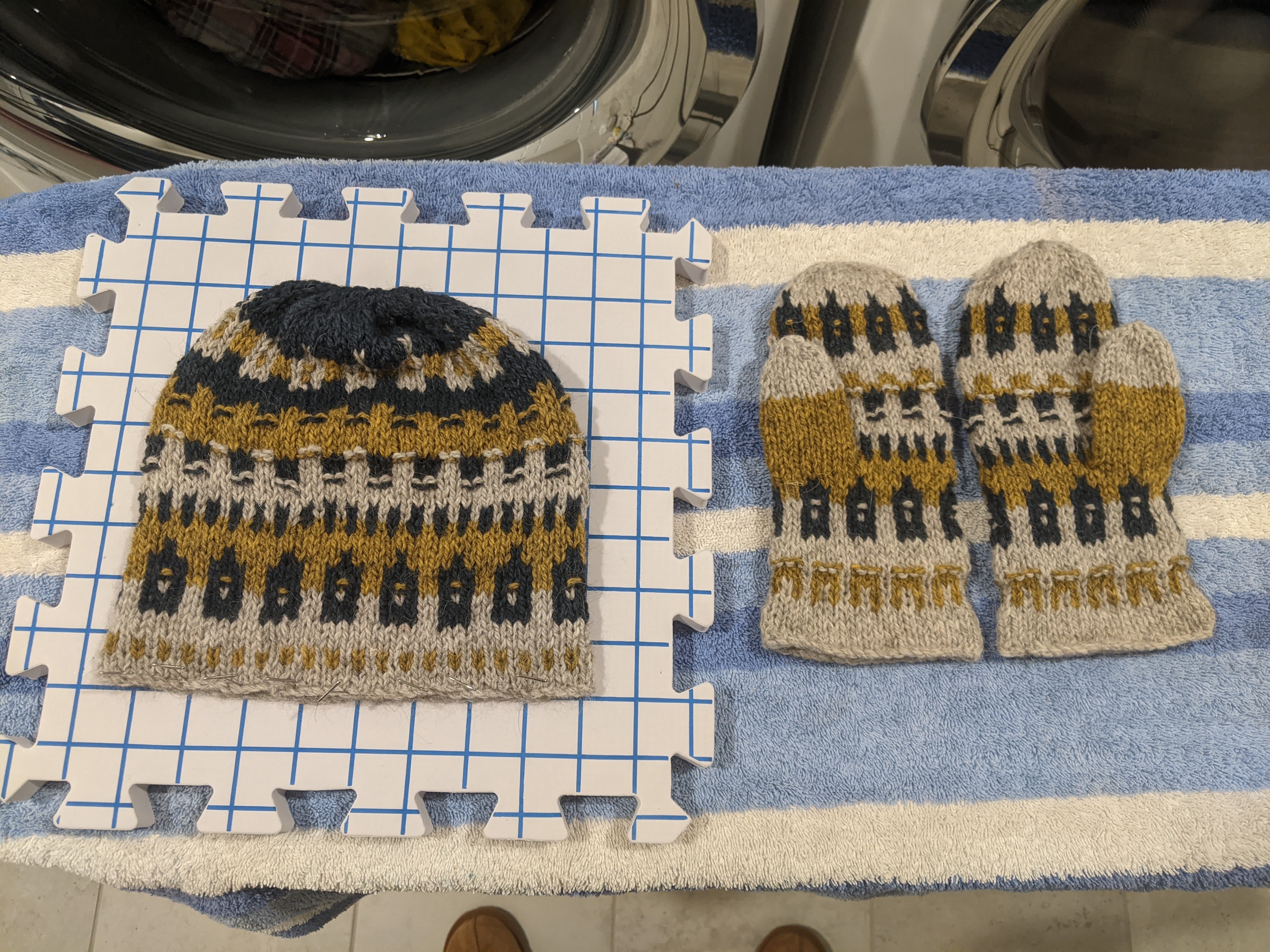
FINISHED – This is the Quince Quarterly Fall 2020 project that I wrote about here.

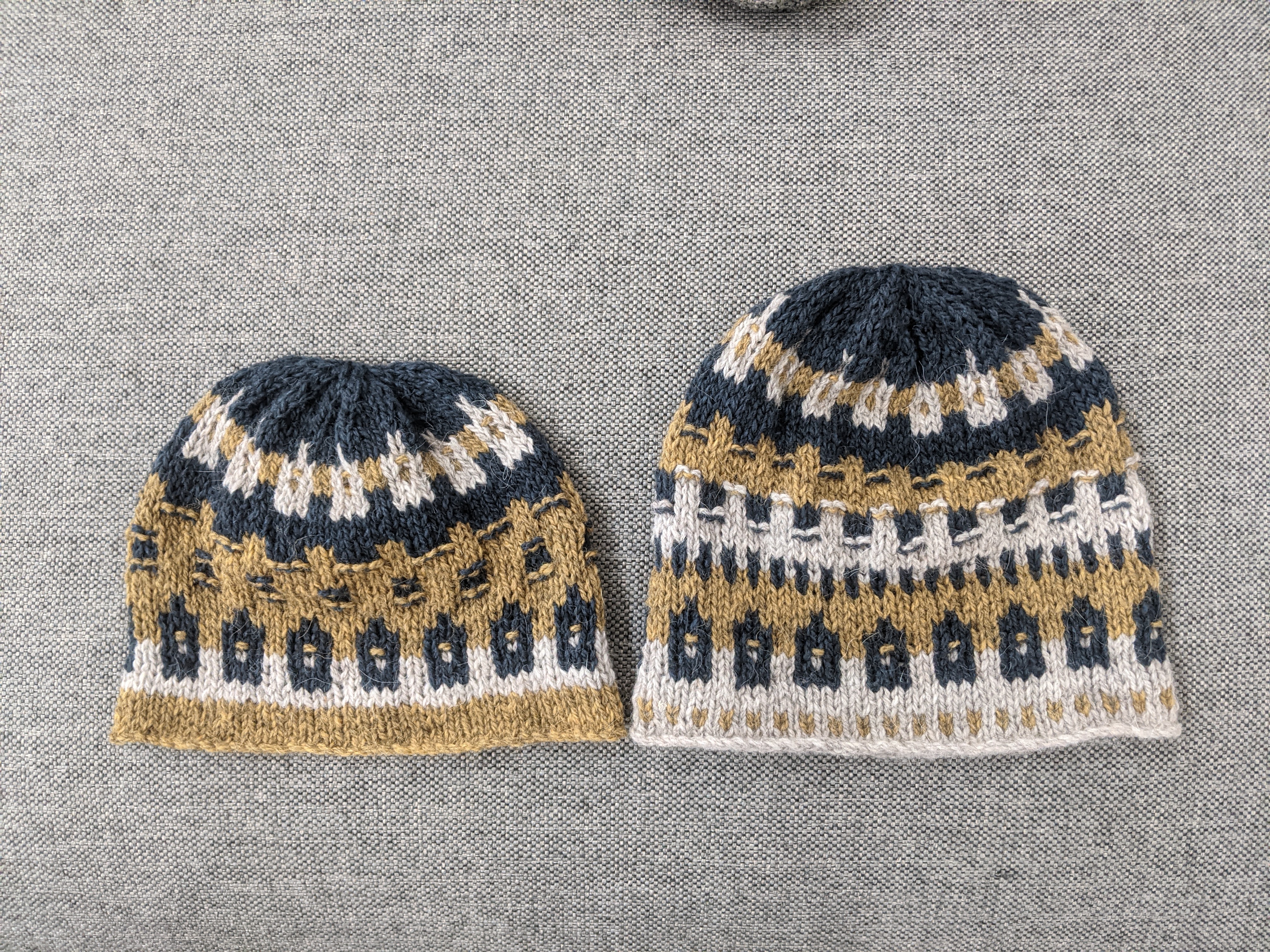
After completing the Albizia hat and mittens, I had enough yarn leftover to make a toddler hat (left in above picture). I adapted the pattern to make it a little smaller than the original hat, and to account for having very little of the oatmeal-colored yarn left. I cast on 5 fewer stitches to shrink the diameter and worked about 8 fewer rounds. The pattern has 3 colorwork charts to make up the full pattern. I worked the first and last chart as written, and for the middle section I took inspiration from the second chart. I like how the toddler hat turned out, and I’m glad I made it right away while I still remembered my gauge for this pattern and yarn. I still have a little bit of the blue and yellow yarn, so maybe I’ll whip up a tiny baby hat, too!

Forbes Sweater

IN PROGRESS – I finished the main stockinette body and both sleeves. The next step is to join the sleeves with the body, then work the circular yoke, which has a charted pattern. I’m excited for this step, as I’ve never made a circular yoke sweater before.

Kahawai Cowl

FINISHED – This is the Kahawai Cowl from the Darn Good Yarn subscription box.

Quince Quarterly Fall 2020

In the past few years, subscription boxes have become popular for all kinds of products. I regularly get a couple different food boxes, and in the past I’ve tried the Birchbox beauty supply box and personal styling from Stitch Fix. I recently learned about Quince and Co.’s subscription program Quince Quarterly, which provides a brand new knitting pattern and corresponding yarn, four times a year. I heard about Quince and Co. years ago, but somehow have never gotten around to trying any of their yarns. As soon as I learned about Quince Quarterly, I had to sign up — it’s the perfect way to experience new yarns. Plus it’s so fun to get a mystery box in the mail every few months!

Quince Quarterly has two options: Level 1 for $45 and Level 2 for $90. I got the Level 1 box this time, though I’m tempted to upgrade to Level 2 in the future. Look at all the fun stuff that came in this box! There are three skeins of Quince Owl yarn (50% wool, 50% alpaca) in yellow, blue, and oatmeal; a brand new pattern for mittens and a hat; and two rolls of washi tape. I have never used washi tape before, so I am open to any advice on what to do with it! The pattern is called Albizia, written by Pam Allen, and it is printed beautifully on high quality card stock and paper with full-color photos and charts. One cool thing about the Quince Quarterly program is the patterns are exclusive to subscribers for the first six months, so this one won’t be available for purchase until April 2021.

I was anxious to get knitting, so I got the yarns wound up right away. I could tell that it was going to be a delight to work with this Owl yarn; it is rustic and squishy, and the colors look great together. I started out by making a stockinette swatch in a single color. My gauge looked good, so I began the hat. After a few rounds of the stranded color pattern, I realized my mistake: stranded colorwork gauge is not the same as gauge for a single color! There was no way the hat was going to fit my head, so I ripped it out and started over with a swatch in the color pattern. I had to go up one needle size from the recommended US8 to US9.

Both the hat and the mittens start with a simple rolled edge. The colorwork starts after just a few rounds and continues throughout, aside from a few sections where just one color is worked for a few rounds. I haven’t done colorwork in years, so I am happy that this pattern pushed me to do it again.

The pattern emphasizes the rustic feel of the Owl yarn. It is primarily knit in stockinette, with enough color changes to keep the work interesting. One detail I love is the well-placed purl stitches occurring just after color changes; they really make the previous color pop.

The mittens have a different but complementary pattern. I knitted mine with a US8 needle, one size down from what I used for the hat. The thumb is constructed from a simple waste yarn section with no gusset. I typically prefer patterns with a thumb gusset, but in this case the waste yarn approach really works, especially as it doesn’t require increases to be worked in conjunction with the colorwork pattern.

As recommended by the designer, I minimized blocking to preserve the stitch texture. The only thing I did was apply a little bit of steam at the cast-on edges to flatten them out a bit. From start to finish, this project only took a little over a week. That is the nice thing about knitting accessories with worsted weight yarn! It helps to have such an engaging pattern, too.

Overall, I’m really happy with my first Quince Quarterly box. I can’t wait for the next one! Oh, and I was planning to give this project as a gift, but the more I look at it the more I think maybe I’ll keep it for myself…

Crochet Baby Doll Blankets

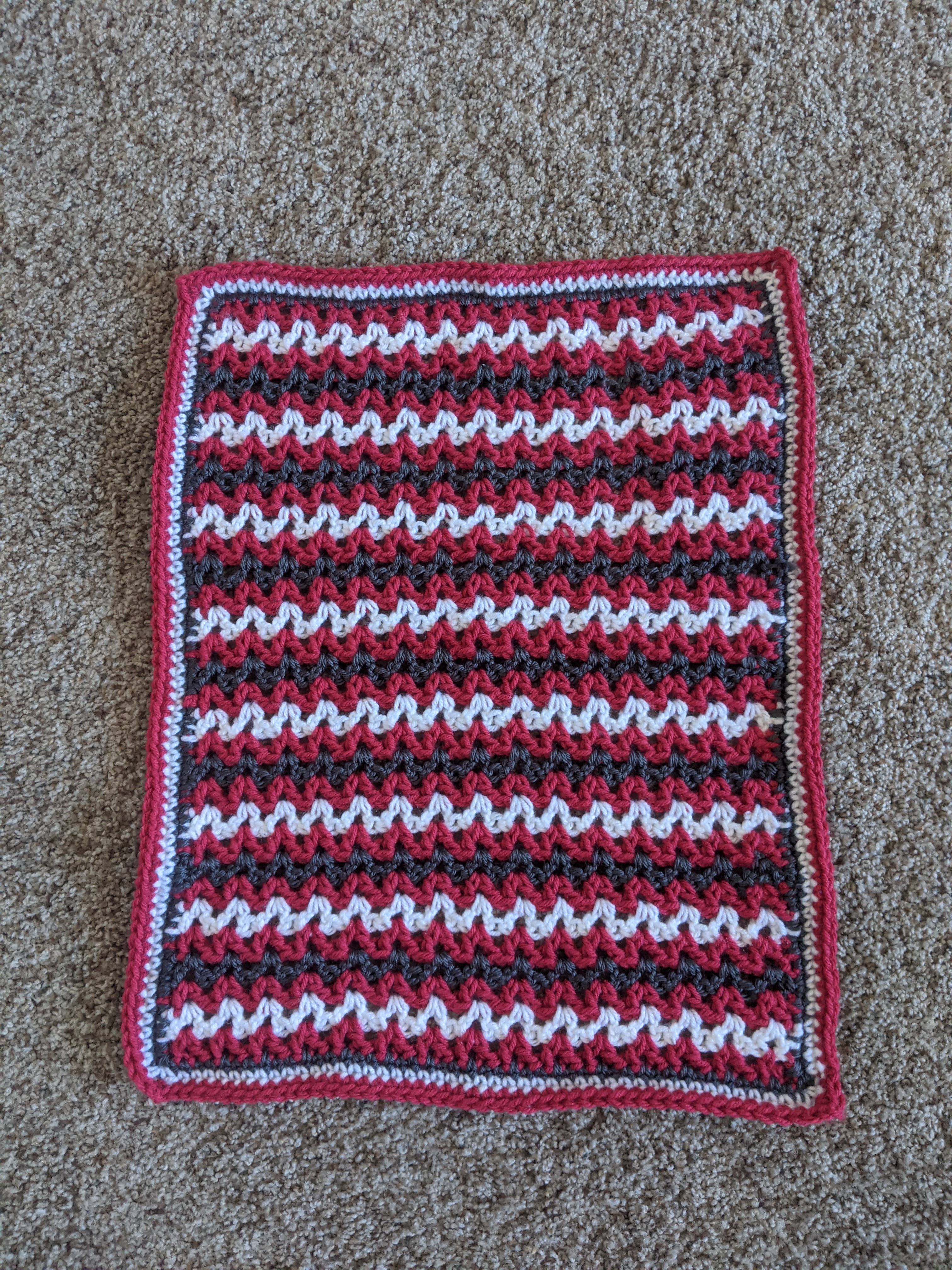
Baby doll blanket

My favorite crafting modality is knitting, but I’ve been branching out during the past few years into crochet and cross-stitch, both of which I first learned as a child, before I got into knitting. A couple months ago, I was looking at my yarn stash and noticed some large skeins of acrylic yarn that I’ve had for a while. It dawned on me that they could make cute blankets for my daughter’s baby dolls and stuffed animals, so I got to looking for patterns.

I ended up using the V-Stitch Blanket Pattern from Daisy Cottage Designs. The example in the pattern post is exactly what I had envisioned, with alternating stripes of different colors and a finished edge. I modified the pattern slightly, starting with a ch 48 for a slightly smaller blanket. I wanted pink to be the primary color, with white and grey contrasting colors, so I alternated pink-white-pink-grey for a total of 31 stripes. For the border, I did 3 rounds of sc, one in each color. The final size is 14.5″x18″. Ravelry link

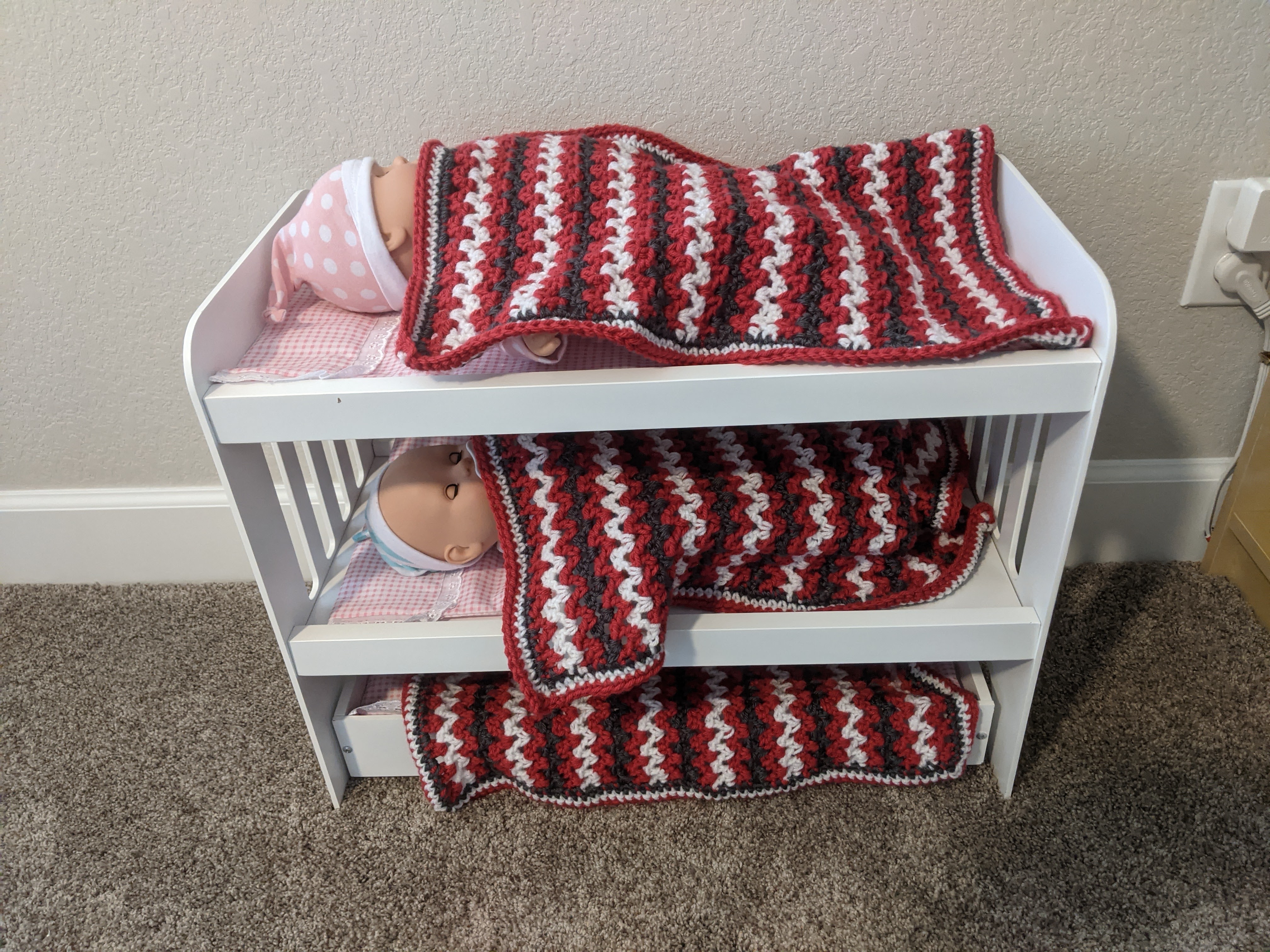
The baby dolls loving their new blankets

The baby dolls have their own bunk bed with a trundle bed underneath for a friend to visit, so I made 3 identical blankets. I think they turned out pretty cute! Total cost was $0, since I was using yarn from my stash, and all 3 blankets were pretty fast to make, just a couple weeks from start to finish, in bursts of time here and there.

Baby dolls taking a nap in my bed

Crochet is a great modality for projects like this. V-stitch in particular is nice because it takes up a fair bit of space and works up fast. It is an easy stitch to learn and doesn’t require a lot of focus once you have it memorized. The only part of this project I didn’t enjoy was weaving in all the ends, but that is a consequence of choosing to do stripes!

2015 in review

I started this blog in January 2015 to help me knit through my yarn stash, which I called my Stash Challenge. It has been really fun to work toward the goal of using up all my yarn, coming up with creative ideas for small amounts of leftover yarn, and sharing my finished projects here. As an engineer, I love measuring and quantifying things — in case you couldn’t tell from my precise accounting of remaining yarn every month in my Inventory posts. So today I’d like to share some numbers, charts, and photos of my Stash Challenge from 2015. (I realize that we are already almost 1/6 of the way through 2016, but better late than never!)

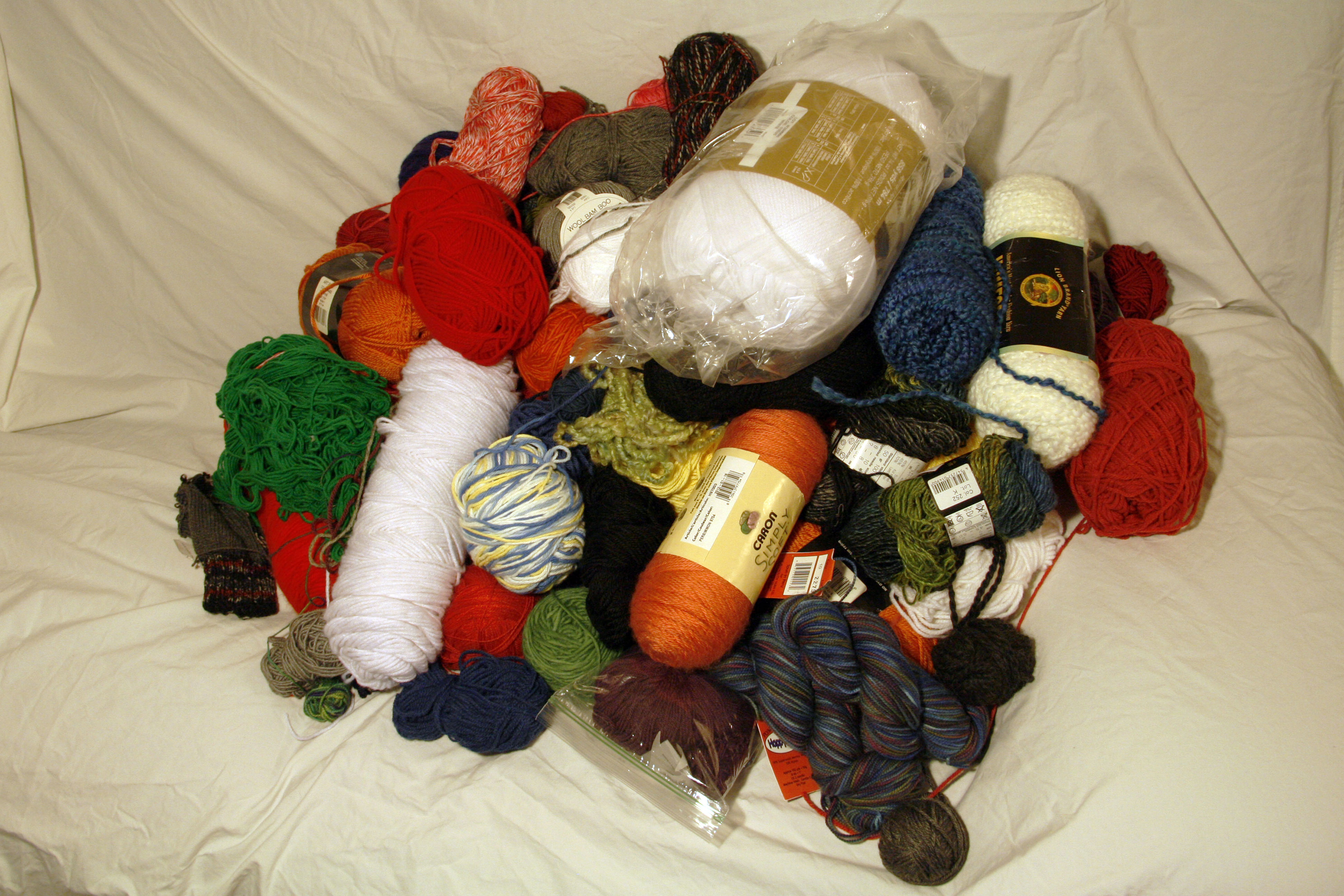
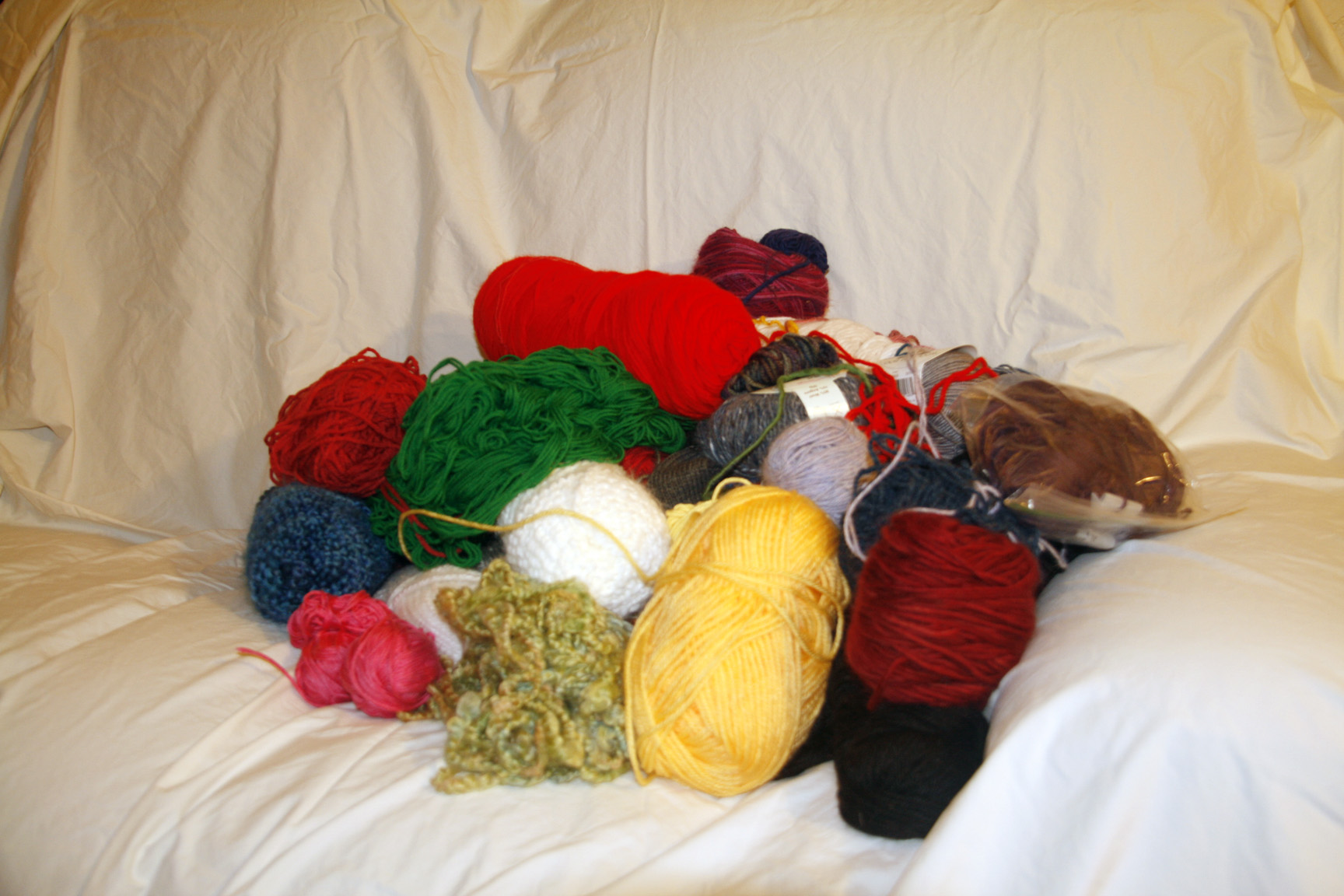
Let’s get started. In January 2015, I had 5000 g of yarn in my stash, which looked like this:

Stash

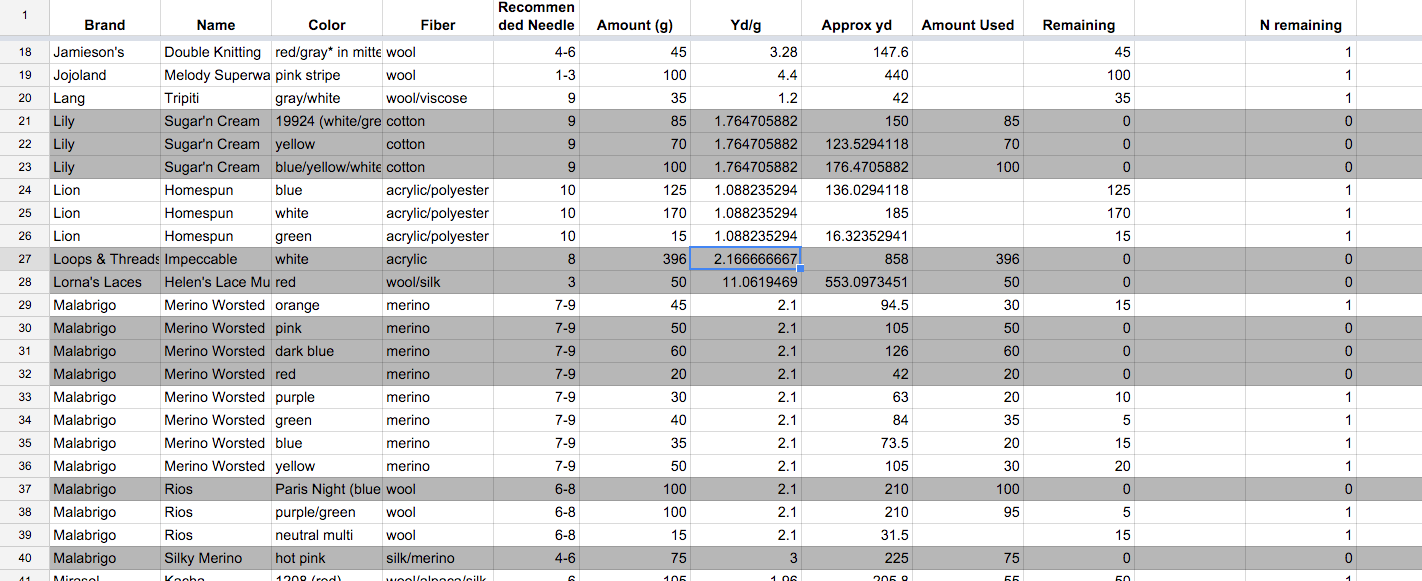
I decided that during the Stash Challenge I would not be allowed to purchase any new yarn. There was plenty in this pile to keep me busy! Every month, I have kept track of my completed projects and the yarn I’ve used, posting an Inventory post for each month. Behind the scenes, I have a spreadsheet that tracks how much is left of each individual ball of yarn, a section of which is below.

spreadsheet

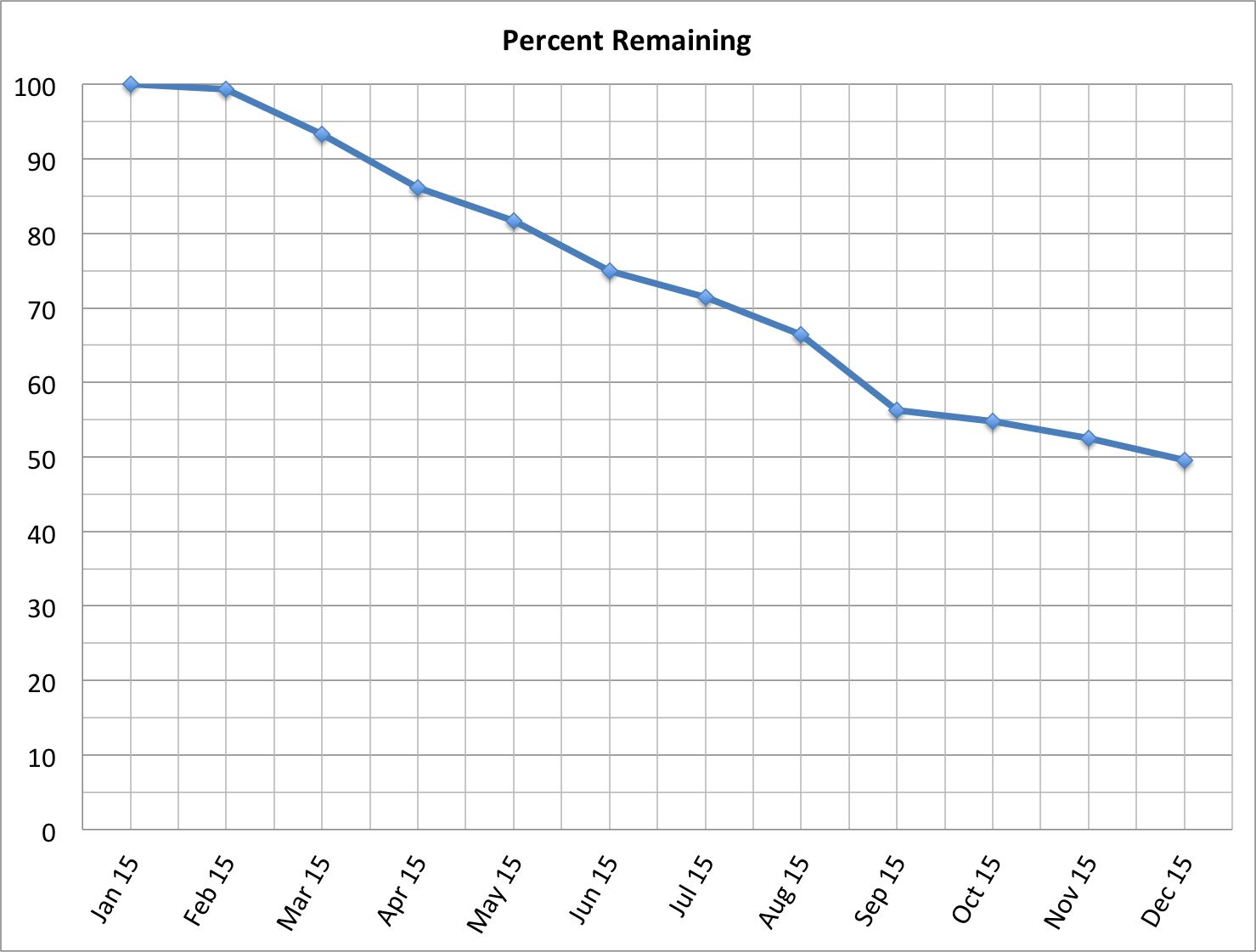
But that’s not all! I also made some charts to visualize the process and give me momentum to keep going. The first one shows what percent of the original 5 kg is remaining.

PercentRemaningChart

It looks like there were a couple months during which I didn’t make much progress, one month (September) when I knitted A LOT, and the rest of the time I kept up a fairly consistent pace. For a closer look at how my pace varied, I plotted the percentage used by month.

PercentUsedChart

On average during 2015, I used up 4% of my stash, which amounts to about 200 g per month. Not too shabby! The most I ever knit in one month was 10.1%, or 505 g. I had a lot of free time that month — but I’m also pretty surprised by how much I was able to knit during the rest of the year. I had a lot of other things going on (finishing my Ph.D., starting a new job, some other personal stuff) so I am sure that without the accountability of the Stash Challenge I would not have made this much progress.

After one year, I have used up just over 50% of my stash. There are 2479 g remaining, which equals 49.58% of what I started with. I achieved this by knitting (and crocheting!) 40 projects, many of which were small items like headbands or gloves. Now my stash looks like this:

_MG_5006

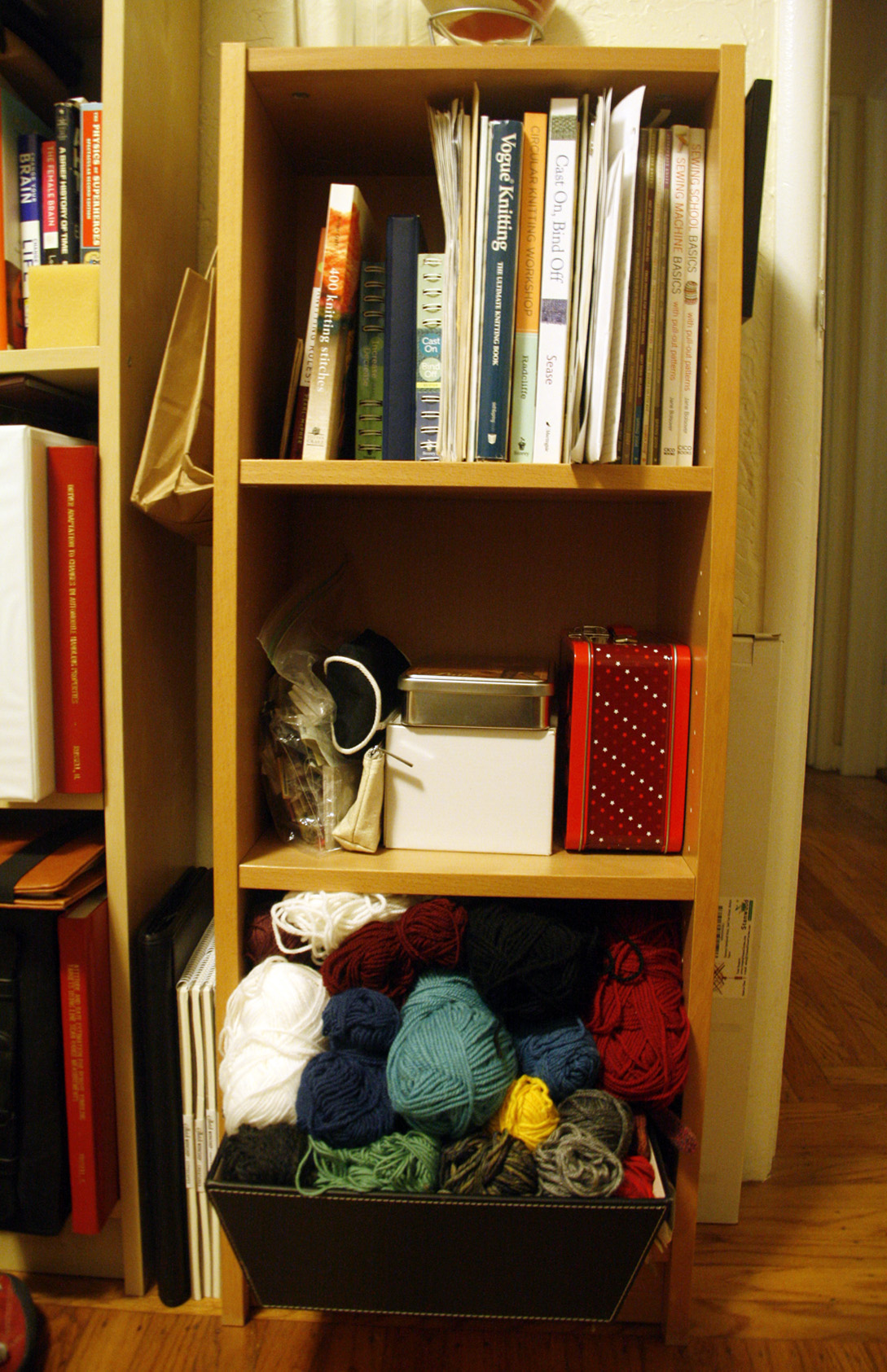
I think you can tell that it’s a bit smaller, right? I also transformed my knitting shelf from this:

IMG_0242

to this:

_MG_5008

It’s much more organized now, and I can almost find everything! There is still a fair bit of yarn, but it is less daunting than it was a year ago.

I have found the Stash Challenge to be a great way to strengthen my perseverance and creativity, and I’m looking forward to finishing the Challenge in 2016! And then I can finally buy new yarn…

Easy Eye Pillow

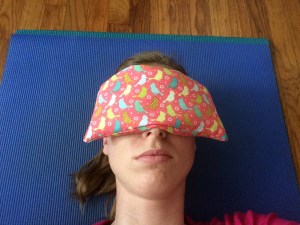
Today I made an eye pillow to use in yoga or general relaxation. It’s a really easy project to sew, and takes less than an hour from start to finish. To make one, you’ll need a piece of cotton fabric approximately 10″x10″ square, about 3/4 lb. dry lentils for the filling, and a small amount of dried lavender (I used about 1 g) for a nice bit of aromatherapy. You can use something else for the filling besides lentils – small beans or rice would work well. You could experiment with different types of dried herbs if you don’t like lavender or don’t have it on hand, or leave the scent out completely.

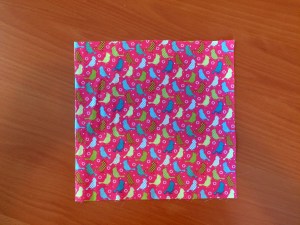
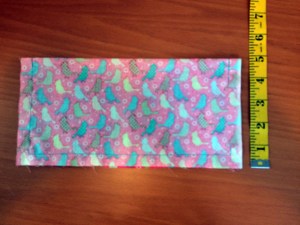
Start by cutting your fabric into a 10″x10″ square if you haven’t already.

IMG_0527

Fold the fabric in half horizontally with the wrong side out and press flat. Sew across one short side and the long side, using 1/2″ seam allowances. Continue the long side seam onto the second short side for about an inch, then cut the thread. Starting from the opposite corner of this short side, sew towards the center for 1.5″, again with 1/2″ seam allowance. You will be left with an opening about 2.5″ long. (Leaving the opening in the center rather than at a corner makes it easier to make nice corners and to fold the raw edges under for finishing.) It may be difficult to see, but the opening is on the right side in the picture below.

IMG_0528

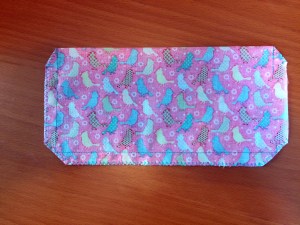
Trim the fabric at a 45 degree angle across the corners, close to the seams but taking care not to cut them. Neaten the raw edges together by sewing with a zigzag stitch and overcasting foot on the corners, the left edge, and the long edge, making sure to leave the opening alone.

IMG_0532

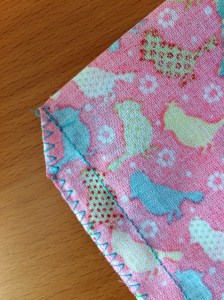
Here’s a close-up view of a finished edge:

IMG_0534

Turn the pillow inside out and press flat with the raw edges of the opening turned under so they are ready to be stitched. Using a funnel if you have one, alternately pour in a little pinch of lavender and about 1/4 cup of lentils. Keep going until the pillow is about 2/3 full. You want to make sure there is room for the filling to move around and conform to your face, so don’t overfill.

IMG_0538

Quickly baste the opening together by hand. Move the filling out of the way and carefully topstitch along the entire edge to close. If you want it to look uniform, you could topstitch all the way around all four edges, using a decorative topstitch if you like.

IMG_0542

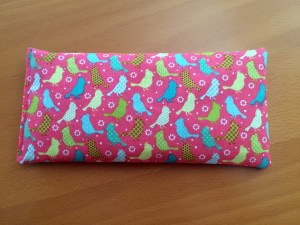
Remove the basting stitches, trim any loose threads, and your pillow is ready to use. Enjoy the relaxing weight of the pillow on your eyes, and take pride that you made it!

IMG_0544

IMG_0547

Relaxing!

Pillow Covers with Zippers and Piping

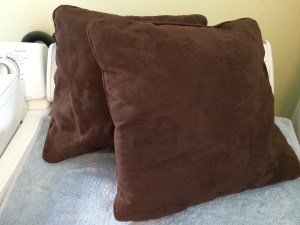
Today’s post is a set of pillow covers I made for two brown pillows that used to live on our old futon, but clash rather hideously with the black couch we have now – meaning that they have been hiding out in a closet for a while.
IMG_0494

Poor, neglected pillows

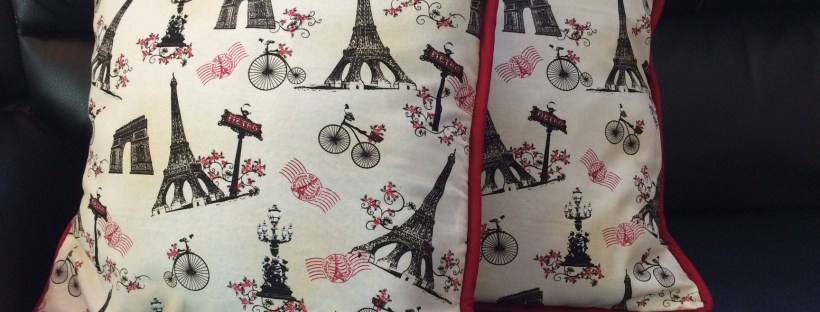
When I was shopping for fabric for my apron, I found some super cute Paris-themed fabric, and had to buy it. (I have studied French since 7th grade and finally had the opportunity to go to Paris last December, so this is definitely in character for me.) I wasn’t sure I wanted to use it for clothing, but realized this would be the perfect way to dress up the couch and breathe new life into the forgotten pillows.

To make the pillow covers, I used the instructions for project 5 in Sewing Machine Basics, by Jane Bolsover. This is an incredible book packed with great information on all kinds of machine sewing techniques. I’ll definitely have to write a whole post about it and its companion, Sewing School Basics, once I’ve had a chance to try a few more projects from them. So far I can enthusiastically recommend them!

The supplies I used for this project included about 2 yd of main fabric, 1 yd of contrast fabric, 6 yd of cotton piping cord, two 14″ zippers, and matching thread. I used the general purpose foot, the overcasting foot, and the zipper foot on my sewing machine.

The first step was to measure the pillows to identify how much fabric was necessary. I found that my pillows were 16″ per edge (square), but I actually needed 18″ of fabric (plus 5/8″ seam allowances) to account for the pillow thickness. I made pattern pieces out of old tissue paper, ending up with a 19-1/4″ x 19-1/4″ square for the front and a 19-1/4″ x 10-1/4″ rectangle to make two back pieces connected by a zipper. With these lovely homemade patterns I cut out enough fabric for both pillows.

I installed the zippers into the back pieces using the centered zipper method. I machine basted the two back pieces together to make a seam along the center back, then pressed the seams open.

IMG_0464

Awaiting zipper installation

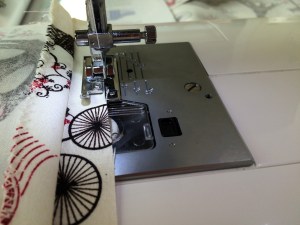
I neatened the raw edges of this seam using my overcasting foot and a zigzag stitch. With the overcasting foot, you place the raw edge right up against the little guide of the foot so that the zigzag stitch captures the edge. This is a technique that I learned from Sewing Machine Basics, and I’m a little sad I didn’t know about it when I was making earlier projects. It prevents the raw edges from fraying and adds a professional touch. It definitely adds time to a project, but in my opinion it is so worth it.
IMG_0463

Overcasting FTW!

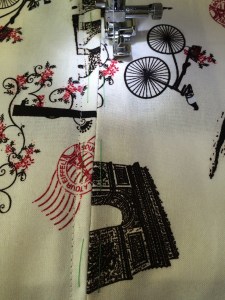
Next I basted the zipper into place by hand so that it was equidistant from the edges and so that  it would open right in line with the seam I had just basted. I used my zipper foot to secure the zipper all the way around. To finish the zipper, I removed the (green) basting stitches from the zipper, then carefully removed the basting stitches that made the central seam. The back pieces were ready to go with working zippers.
IMG_0468

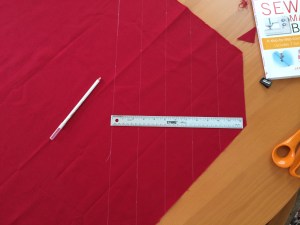
Now it was time to make the red piping, which was the most time-consuming part of this project. The basic idea of making piping is encasing cotton piping cord in the fabric of your choice. I used 3/8″ piping cord for the pillow covers, which I believe is the same as size #5. The fabric strips used for the piping were cut on the bias (like bias tape), which means at 45 degrees to the main selvage of the fabric. Based on the piping cord diameter and desired seam allowances of 5/8″, each strip was 2.5″ wide. I found it helpful to draw the lines using chalk pencil before cutting – otherwise I’m sure it would have been impossible to stay at 45 degrees.
IMG_0478

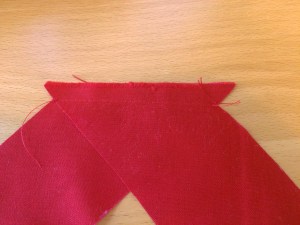
To make one long, continuous strip, I sewed strips end to end along the diagonal ends with 3/8″ seams. Then I pressed the seams and trimmed the corners that extended over the edges. This step took a little trial and error to get the alignment correct, but turned out pretty well.
IMG_0480 IMG_0481 IMG_0482

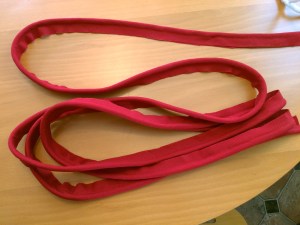
To assemble the piping, I placed the piping cord inside the long bias strip with the right side out and used the zipper foot to sew as close as possible to the piping cord. This part was really tedious because I had to keep stopping to adjust the cord and make sure the raw edges were staying aligned. Does anyone have any tips to make this easier? I ended up with about 12 ft of piping in this lovely red accent color, ready to attach to the pillow covers.

IMG_0485 IMG_0486

I temporarily attached the piping to the right side of the front piece by lining up all the raw edges and basting the piping into place. To help the piping turn the corners, I cut out notches in the seam allowances at each corner. I made sure the place where the piping joined was at the bottom.
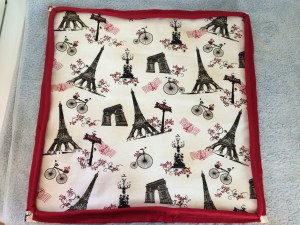
IMG_0488

To finish assembling the pillow cover, I put the back piece on top of the front piece + piping with right sides facing (making sure to open the zipper first!), basted all the pieces together, and seamed all the way around as close as possible to the piping. Then I painstakingly removed all the basting and neatened the edges all together with the overcasting foot.

IMG_0490

All pieces basted together

IMG_0491

After seaming, removing basting, and neatening

To make the seams less bulky at the corners, I trimmed each corner at 45 degrees right next to the seams and neatened those edges too. Then I turned the pillow covers right side out and marveled at how well they turned out!
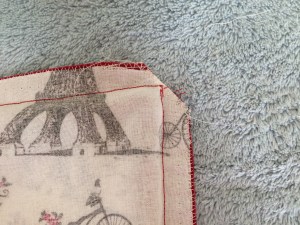
IMG_0493 IMG_0495

Finally, I stuffed the old brown pillows into the new covers and dressed up my couch with my awesome new pillows.
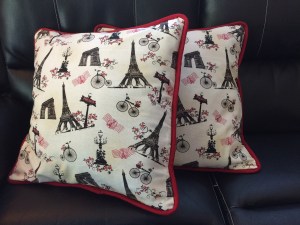
IMG_0518

In total, it took me about nine hours to make these pillow covers, and about half of that was making the piping. I definitely think the piping was worth doing though; it adds  a nice contrast and makes the result look much more professional. I’m excited to have a slightly classier looking couch, pleased that I breathed new life into pillows that weren’t being used for anything, and enjoying the daily reminder of the wonderful memories of my trip to Paris.